Dolsot Bibimbap (돌솥비빔밥)
Bibimbap in a sizzling stone pot — the crispy rice is the prize.
- Korean name
- 돌솥비빔밥
- Spice level
- Mild
- Flavor
- savory · nutty
- Typically contains
- egg
- Vegetarian / vegan
- Sometimes — vegetable-forward, but anchovy broth, fish sauce or meat garnish is common. Ask first
- Typical price
- ₩10,000–₩15,000 per person checked 2026-07 — varies by area
- Good to know
- Beginner-friendly ●●●●● Solo dining ●●●●● Kid-friendly ●●●○○
- Also written as
- dolsot, stone pot bibimbap, hot stone bibimbap
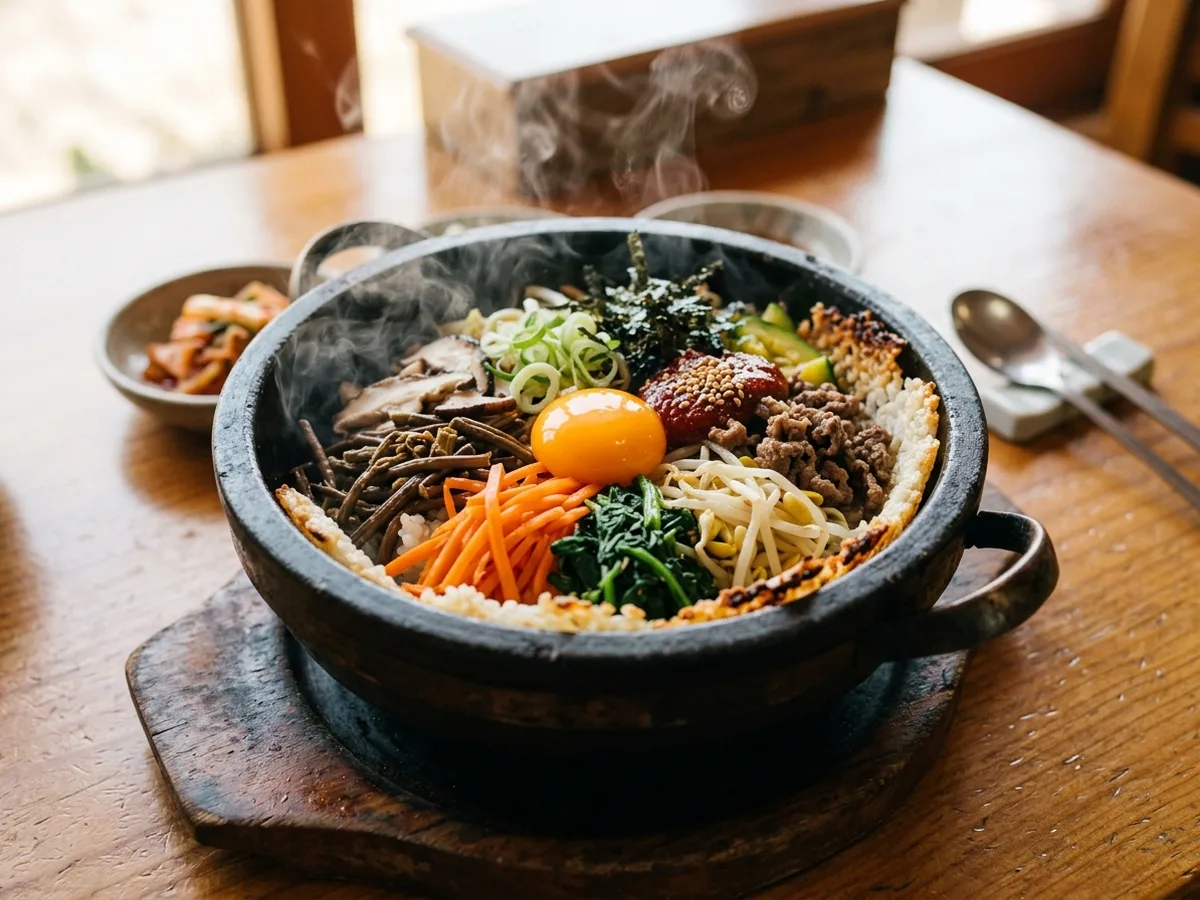
What is Dolsot Bibimbap?
Dolsot-bibimbap is bibimbap upgraded with fire: the same seasoned vegetables and egg served in a sizzling stone bowl that keeps cooking the rice as you eat. The prize is nurungji — the toasted rice crust that forms against the hot stone — and managing it is half the fun of the dish.
How to eat it
- Mix immediately and press rice against the hot stone walls — that builds the crispy nurungji crust.
- Eat from the top down; the bowl keeps cooking the bottom layer.
- Scrape the crust off at the end — it's the best part, not burnt residue.
Good to know
- The stone bowl is 200°C+ and stays hot for the entire meal — never touch it, and mind splatter when mixing.
If you want the egg fully cooked, push it against the stone early; leave it on top for a runnier mix.
Nutrition
| Calories | 101 kcal |
|---|---|
| Carbohydrate | 17.46 g |
| Protein | 3.4 g |
| Fat | 1.78 g |
| Sodium | 93 mg |
Per serving (~575ml): ≈581 kcal · sodium ≈535 mg (27% of the WHO daily guideline, 2,000 mg)
Related foods
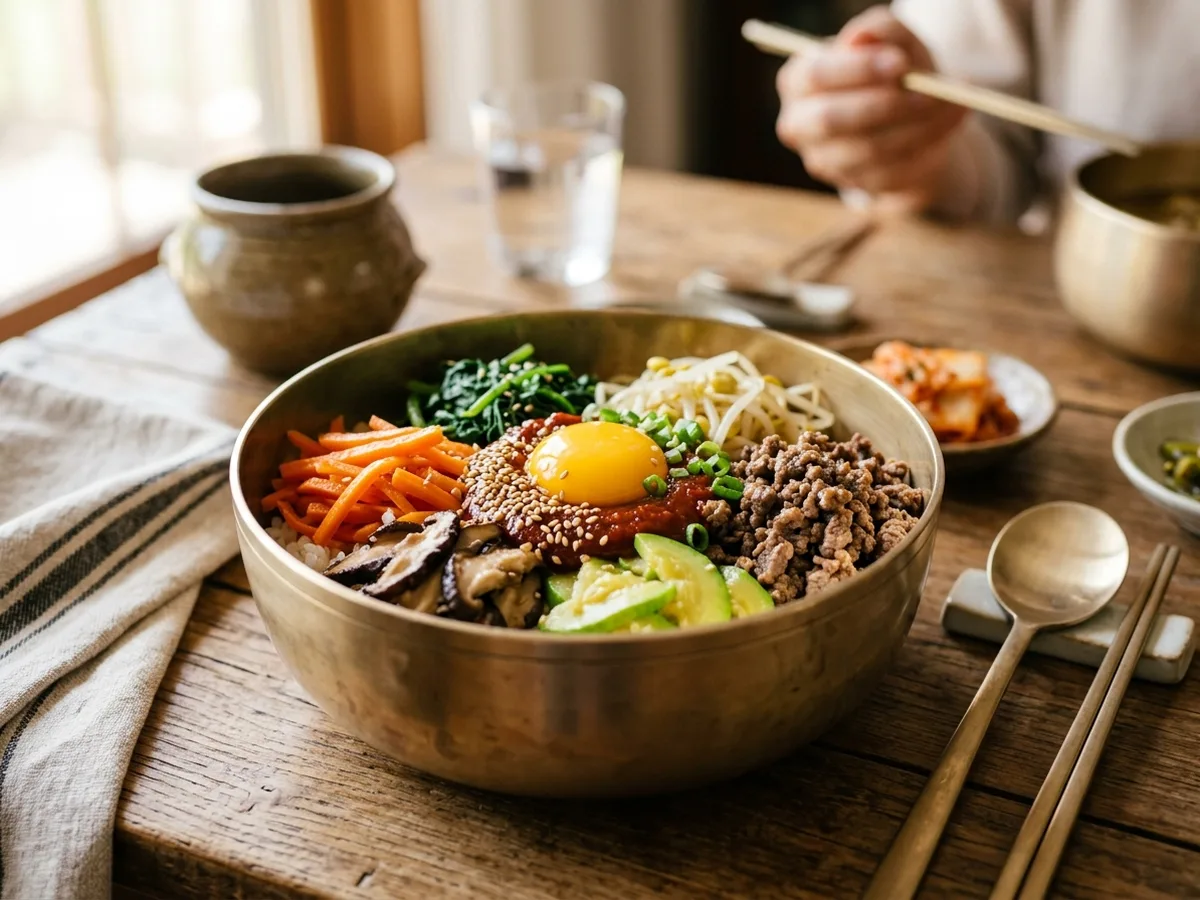 비빔밥 · BibimbapOften eaten together Rice bowl with seasoned vegetables and gochujang — mix hard, then eat.
 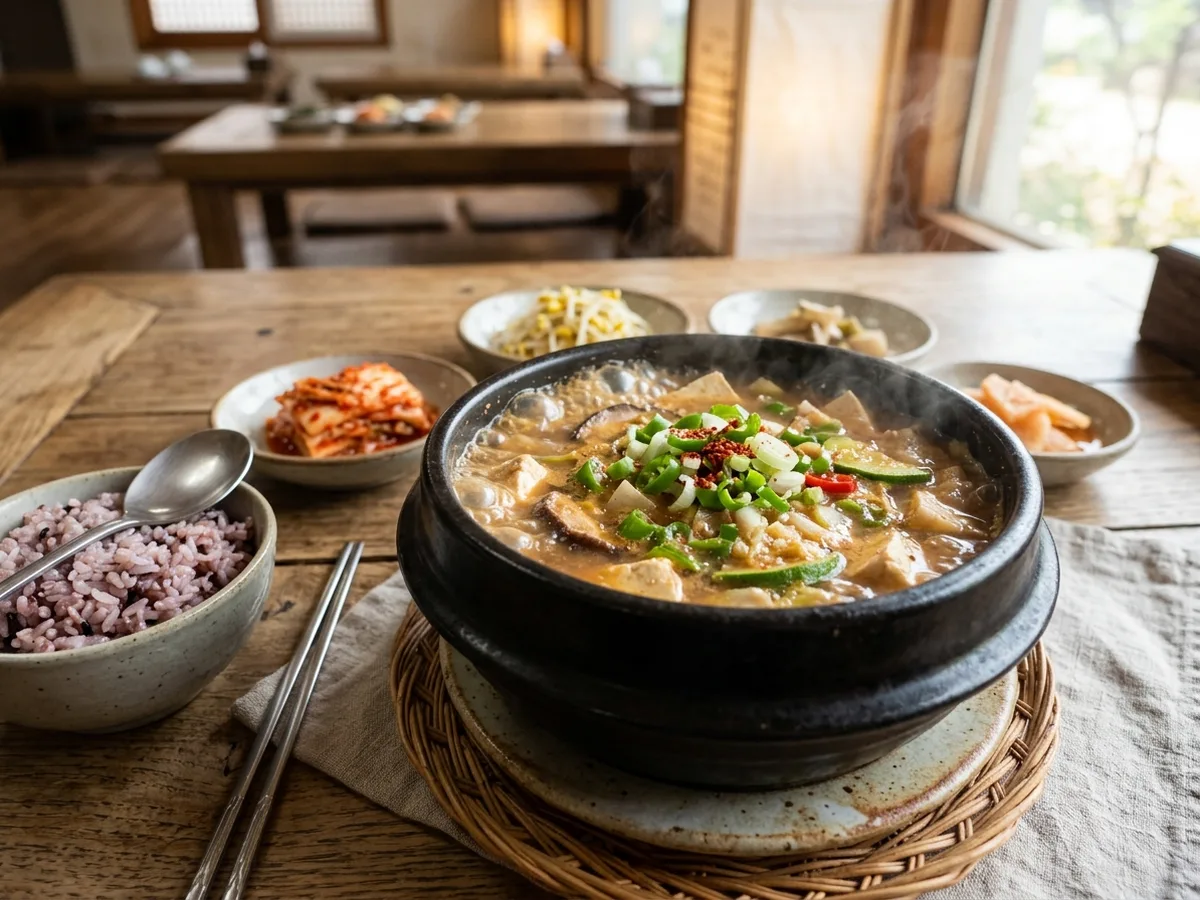 된장찌개 · Doenjang JjigaeOften eaten together Fermented soybean-paste stew with tofu and vegetables.
 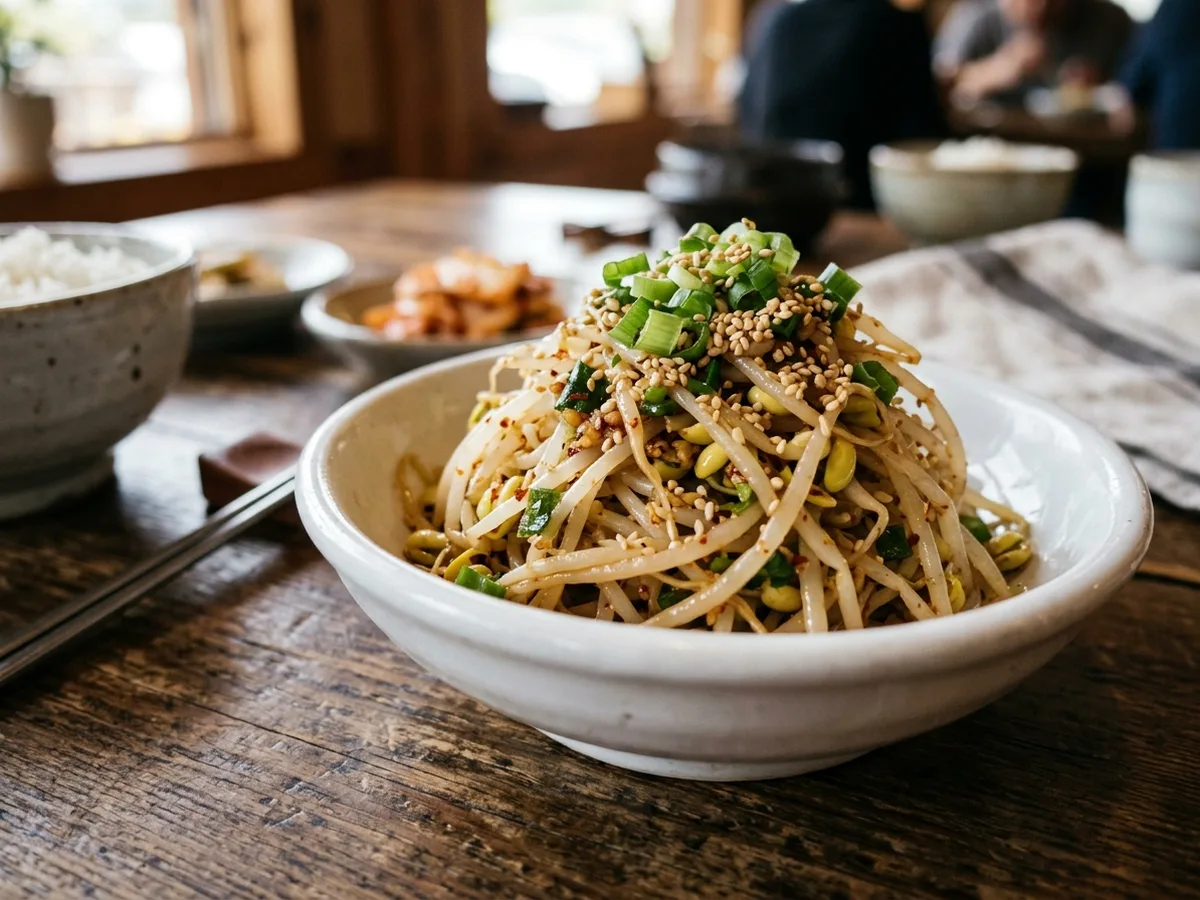 콩나물무침 · Kongnamul MuchimOften eaten together Seasoned soybean sprouts — the most common banchan of all.
 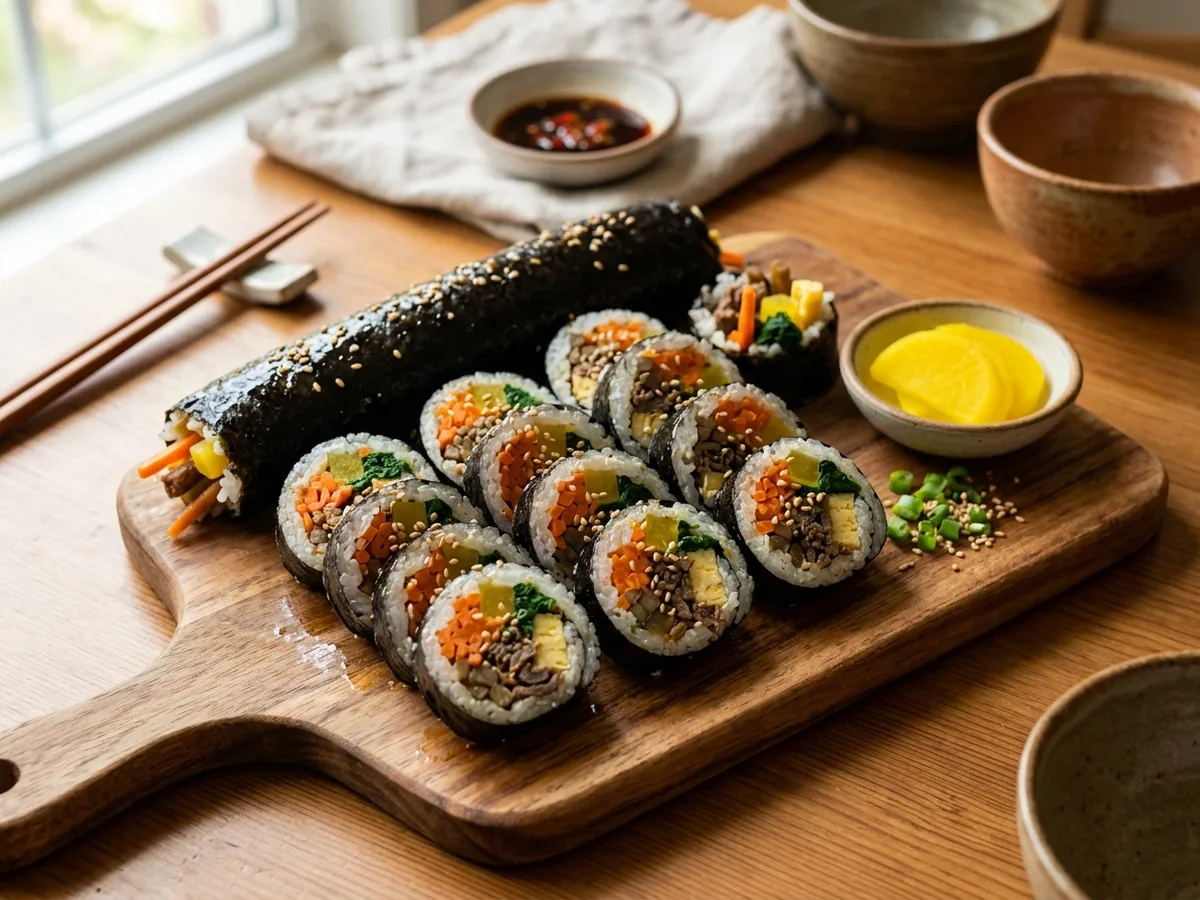 김밥 · GimbapSame family · egg Seaweed rice rolls — Korea's picnic and lunchbox default.
 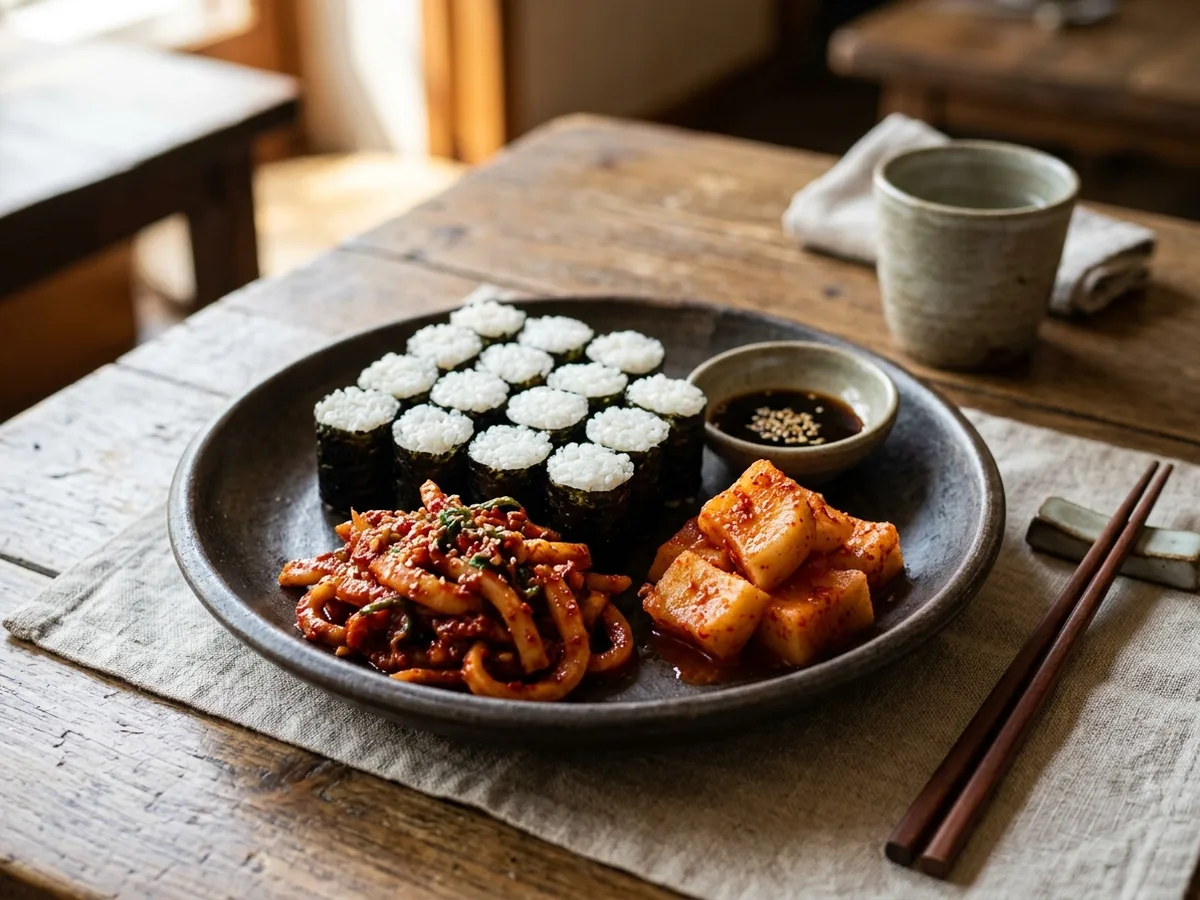 충무김밥 · Chungmu GimbapSame family · Rice & Porridge Plain mini rolls served with spicy squid and radish — Tongyeong style.