Gimbap (김밥)
Seaweed rice rolls — Korea's picnic and lunchbox default.
- Korean name
- 김밥
- Spice level
- Not spicy
- Flavor
- savory · sesame
- Typically contains
- egg
- Vegetarian / vegan
- Sometimes — vegetable-forward, but anchovy broth, fish sauce or meat garnish is common. Ask first
- Typical price
- ₩3,500–₩6,000 per portion checked 2026-07 — varies by area
- Good to know
- Beginner-friendly ●●●●● Solo dining ●●●●● Kid-friendly ●●●●●
- Also written as
- kimbap, kimbob, gim bap, seaweed rice roll
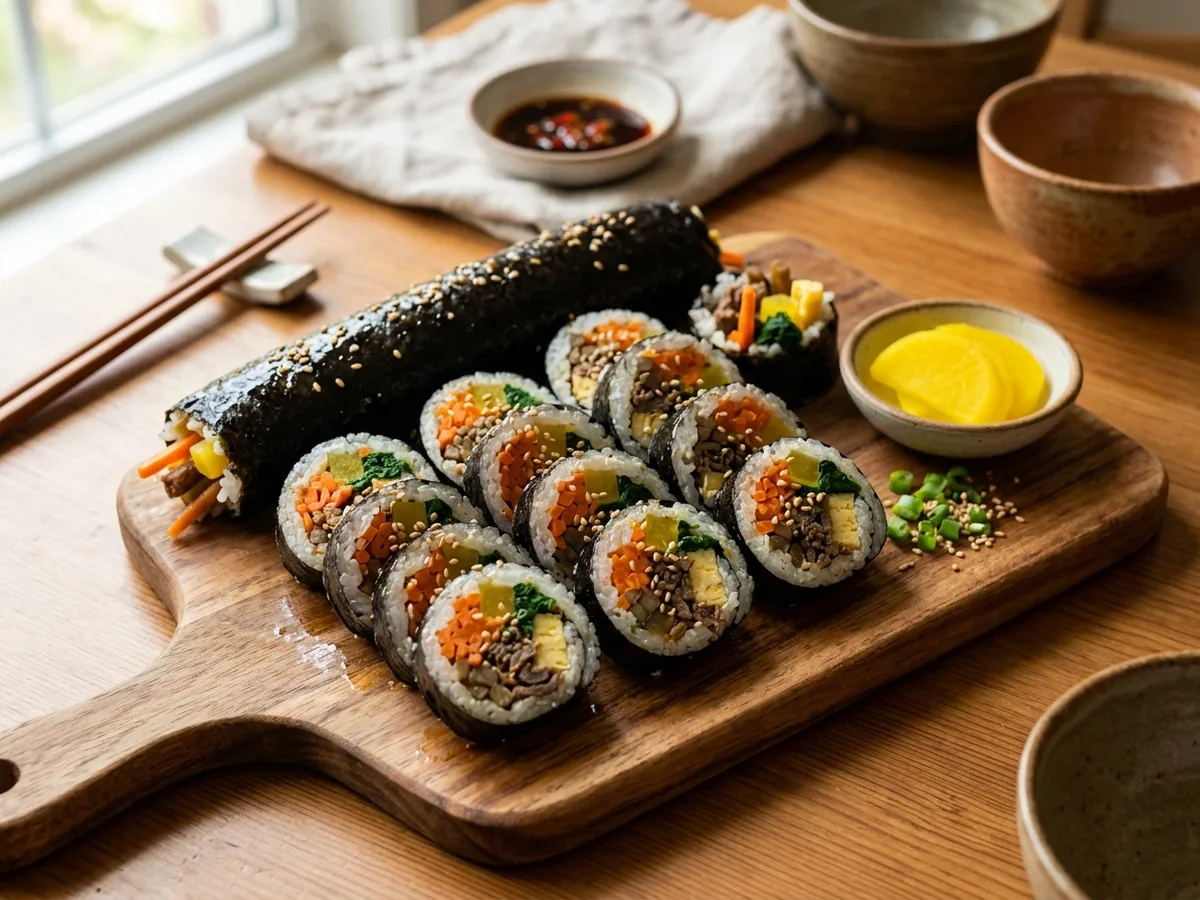
What is Gimbap?
Gimbap is rice and fillings rolled tight in roasted seaweed and sliced into coins — Korea's picnic food, lunchbox default, and late-night convenience standby. It looks like sushi but isn't: the rice is seasoned with sesame oil and salt, not vinegar, and the fillings are cooked, not raw.
A standard roll runs on egg, ham, spinach, carrot and crunchy yellow radish, but every gimbap shop keeps a whole menu of variations. Cheap, portable and never spicy — arguably the single most beginner-friendly Korean food.
How to eat it
- Eat pieces in one bite — gimbap fillings scatter if you bite halves.
- No soy sauce needed (the rice is pre-seasoned with sesame oil and salt) — unlike sushi.
- Pair with tteokbokki sauce-dipping or instant ramyeon broth at bunsik shops; that combo is canon.
Cooking it at home
- Season rice with sesame oil and salt (not vinegar); lay on gim shiny-side down on a bamboo mat.
- Line up fillings — egg strips, ham, spinach, carrot, danmuji — slightly below center.
- Roll tight with the mat, brush the roll with sesame oil, slice with a wiped knife between cuts.
Good to know
- Homemade gimbap spoils fast in summer — legendary cause of picnic food poisoning; eat within hours, don't leave it warm.
Every Korean has a childhood picnic gimbap memory — the smell of sesame oil at dawn means a field trip.
Seen on Screen
Extraordinary Attorney Woo (이상한 변호사 우영우, 2022) — Woo Young-woo eats gimbap because every ingredient is visible — the show's defining food motif.
✓ Verified — official source · Explore the scene →
Where to eat it
Best known for this dishGwangjang Market original
The original of Gwangjang Market's famous 'mayak' mini gimbap — one-bite rolls dipped in mustard sauce, running for 40+ years inside Seoul's oldest market.
Known for: Gimbap
Open as of our last check (2026-07-17) · Sources: VisitKorea (한국관광공사) · Visit Seoul (서울관광재단) — hours, prices and status can change; check the map link before visiting.
Nutrition
| Calories | 140 kcal |
|---|---|
| Carbohydrate | 19.98 g |
| Protein | 4.84 g |
| Fat | 4.55 g |
| Sodium | 307 mg |
Per serving (~230g): ≈322 kcal · sodium ≈706 mg (35% of the WHO daily guideline, 2,000 mg)
Related foods
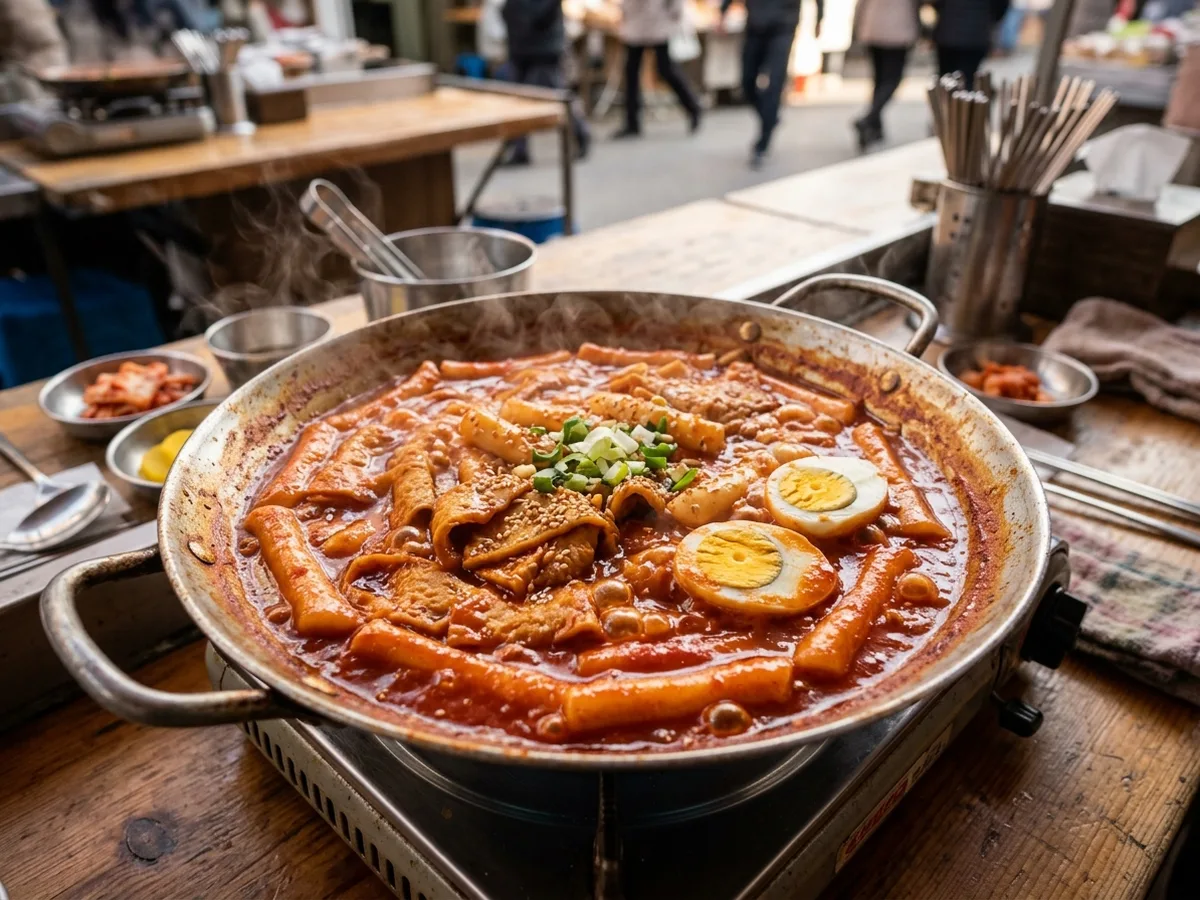 떡볶이 · TteokbokkiOften eaten together Chewy rice cakes in sweet-spicy gochujang sauce.
 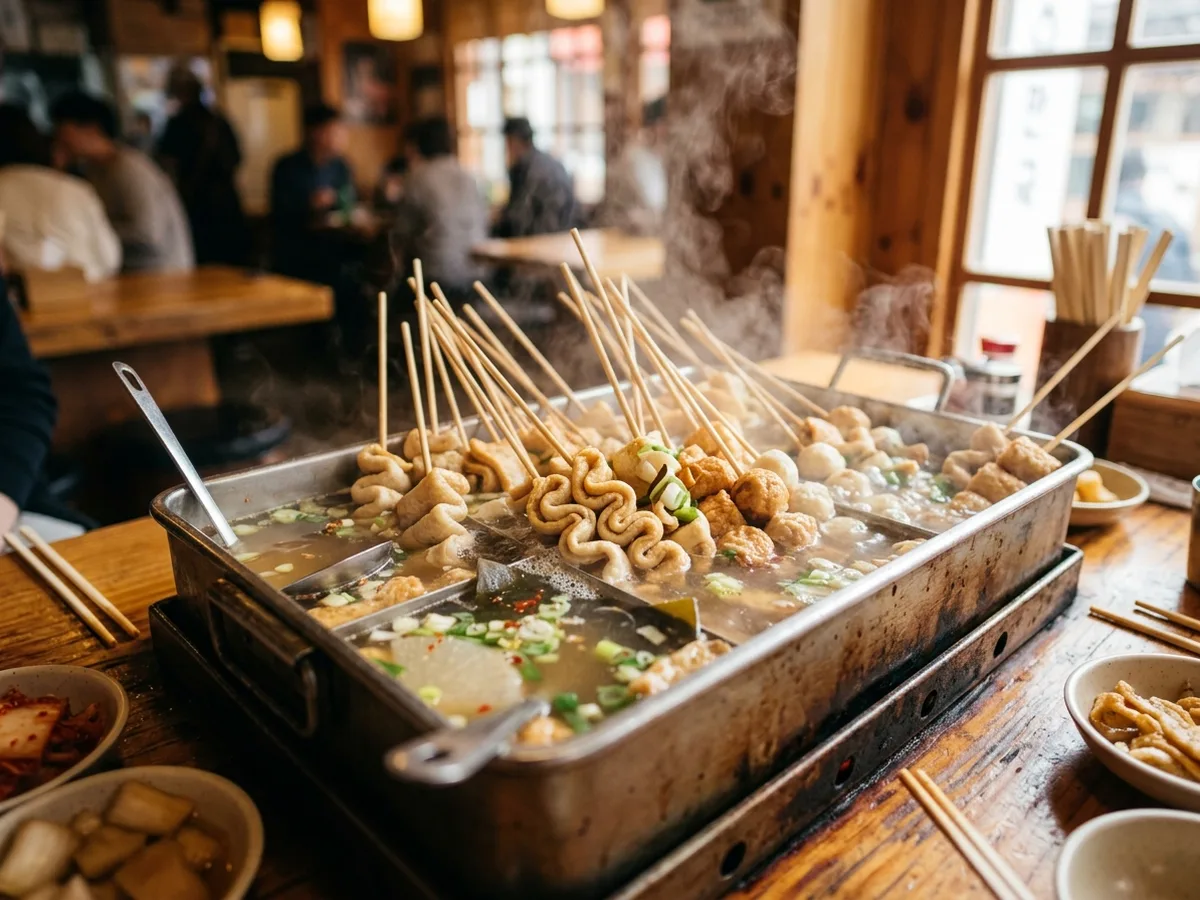 어묵탕 · Eomuk TangOften eaten together Fish-cake skewer soup — the street-stall winter warmer.
 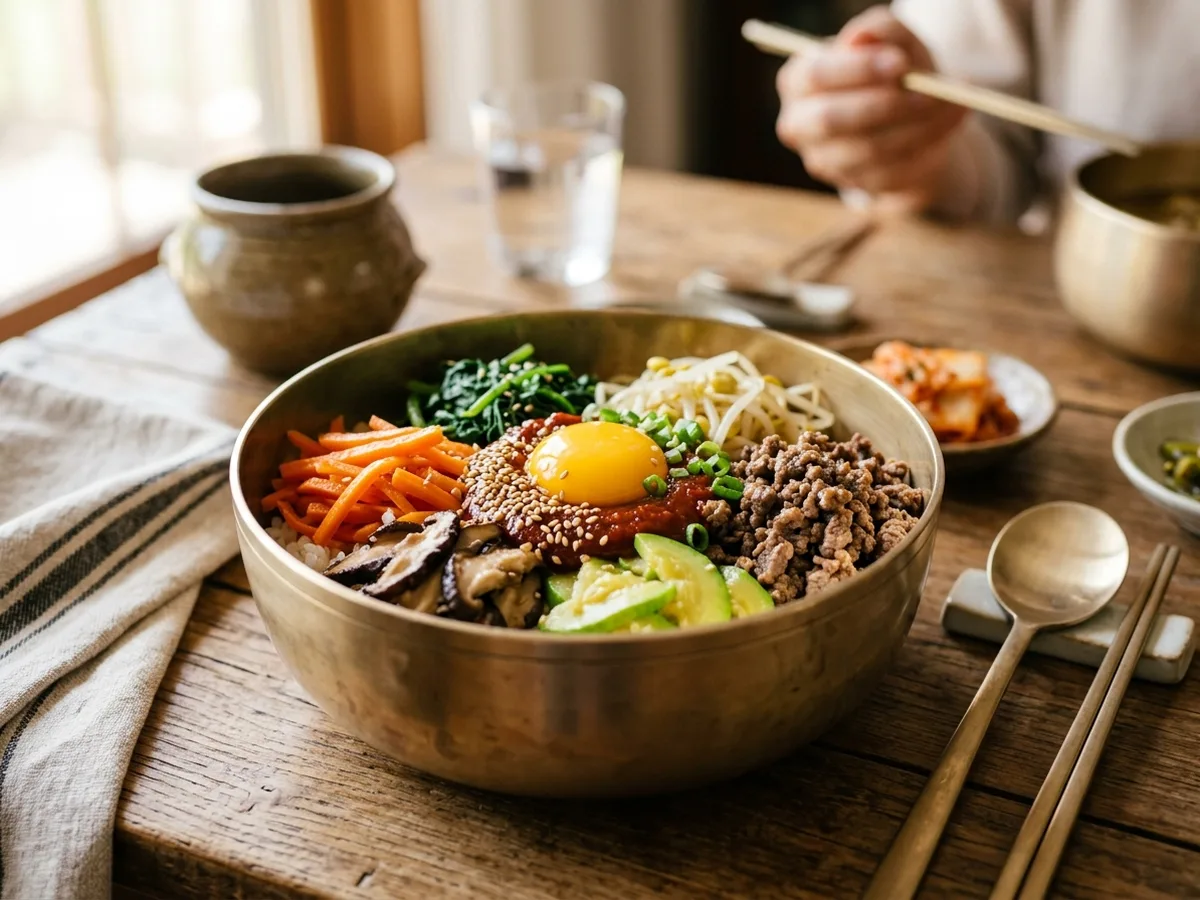 비빔밥 · BibimbapSame family · egg Rice bowl with seasoned vegetables and gochujang — mix hard, then eat.
 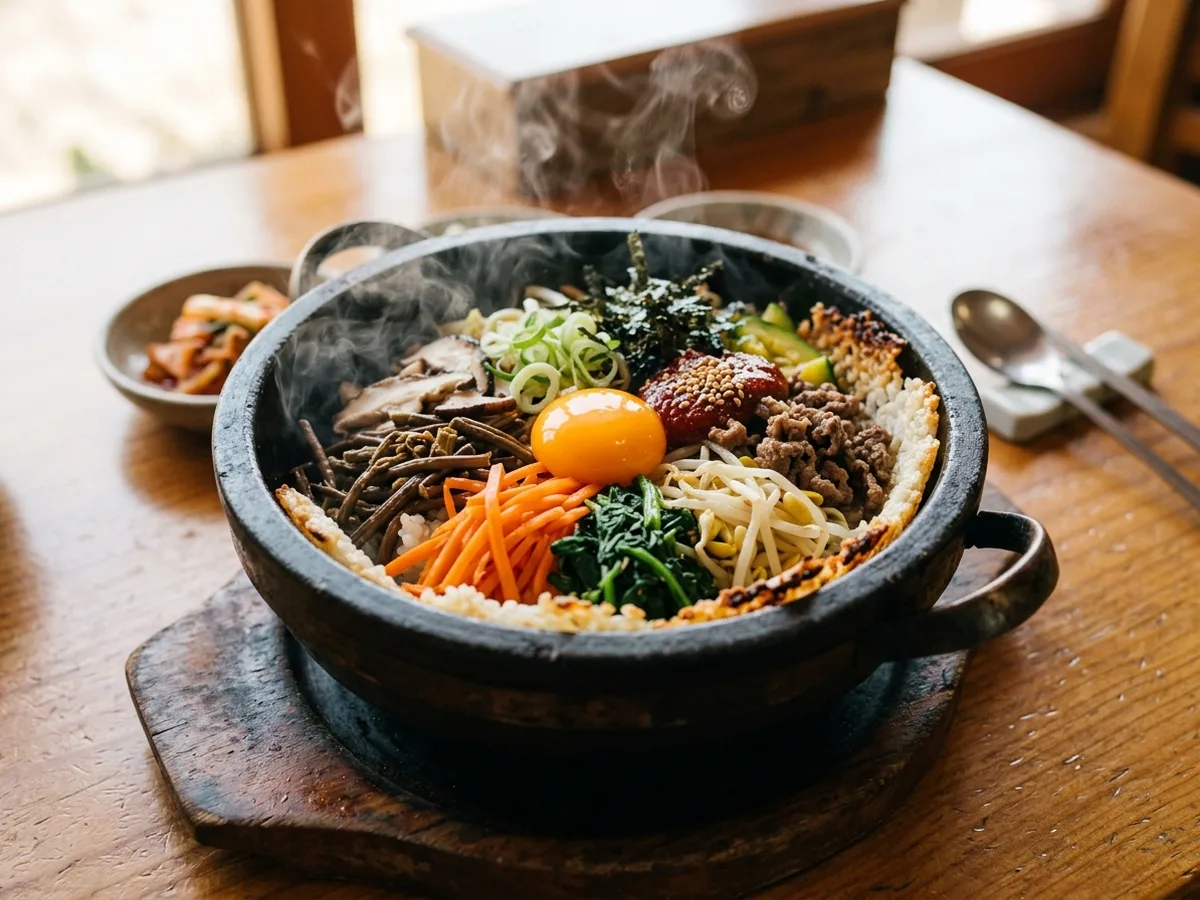 돌솥비빔밥 · Dolsot BibimbapSame family · egg Bibimbap in a sizzling stone pot — the crispy rice is the prize.
 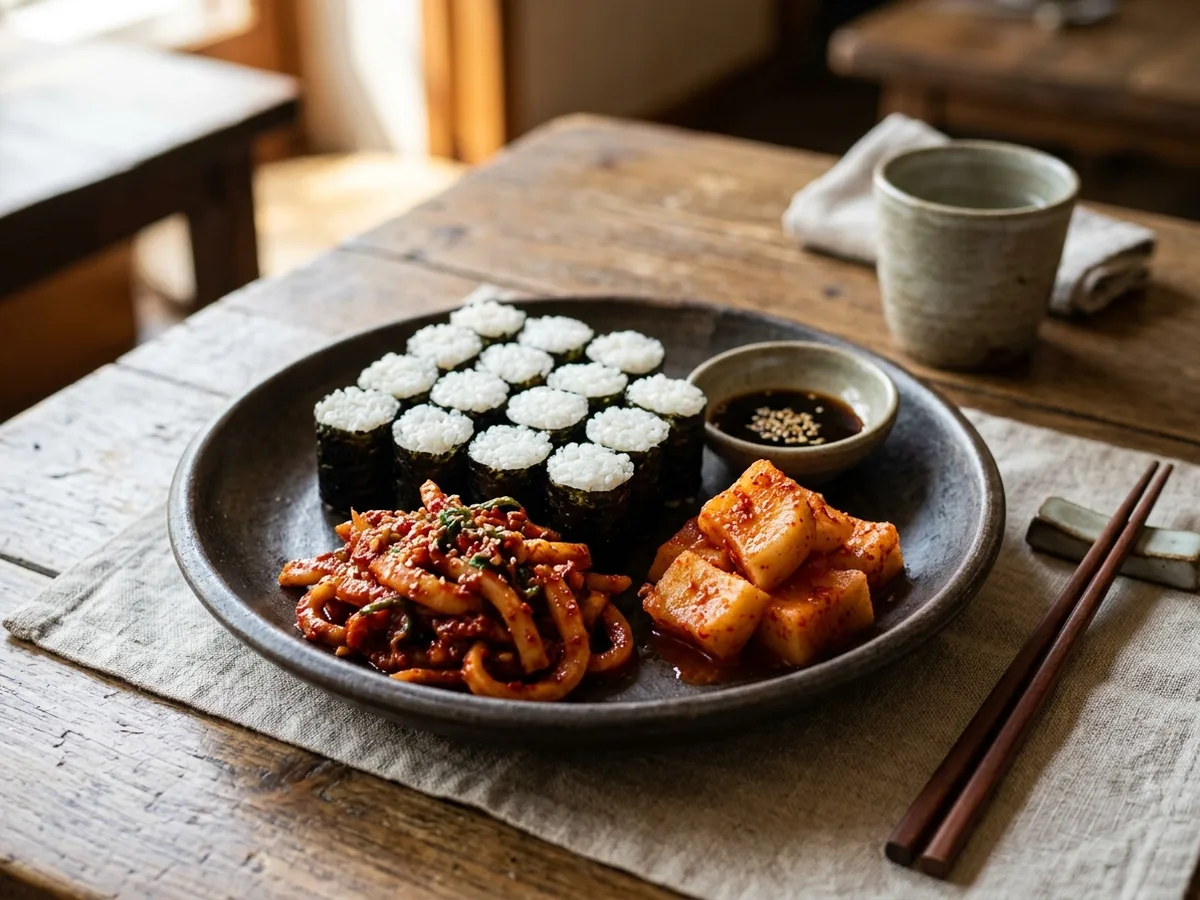 충무김밥 · Chungmu GimbapOften eaten together Plain mini rolls served with spicy squid and radish — Tongyeong style.