Bibimbap (비빔밥)
Rice bowl with seasoned vegetables and gochujang — mix hard, then eat.
- Korean name
- 비빔밥
- Spice level
- Mild
- Flavor
- savory · nutty
- Typically contains
- egg
- Vegetarian / vegan
- Sometimes — vegetable-forward, but anchovy broth, fish sauce or meat garnish is common. Ask first
- Typical price
- ₩9,000–₩14,000 per person checked 2026-07 — varies by area
- Good to know
- Beginner-friendly ●●●●● Solo dining ●●●●● Kid-friendly ●●●●○
- Also written as
- bi bim bap, bibimba, bibim bap, mixed rice bowl
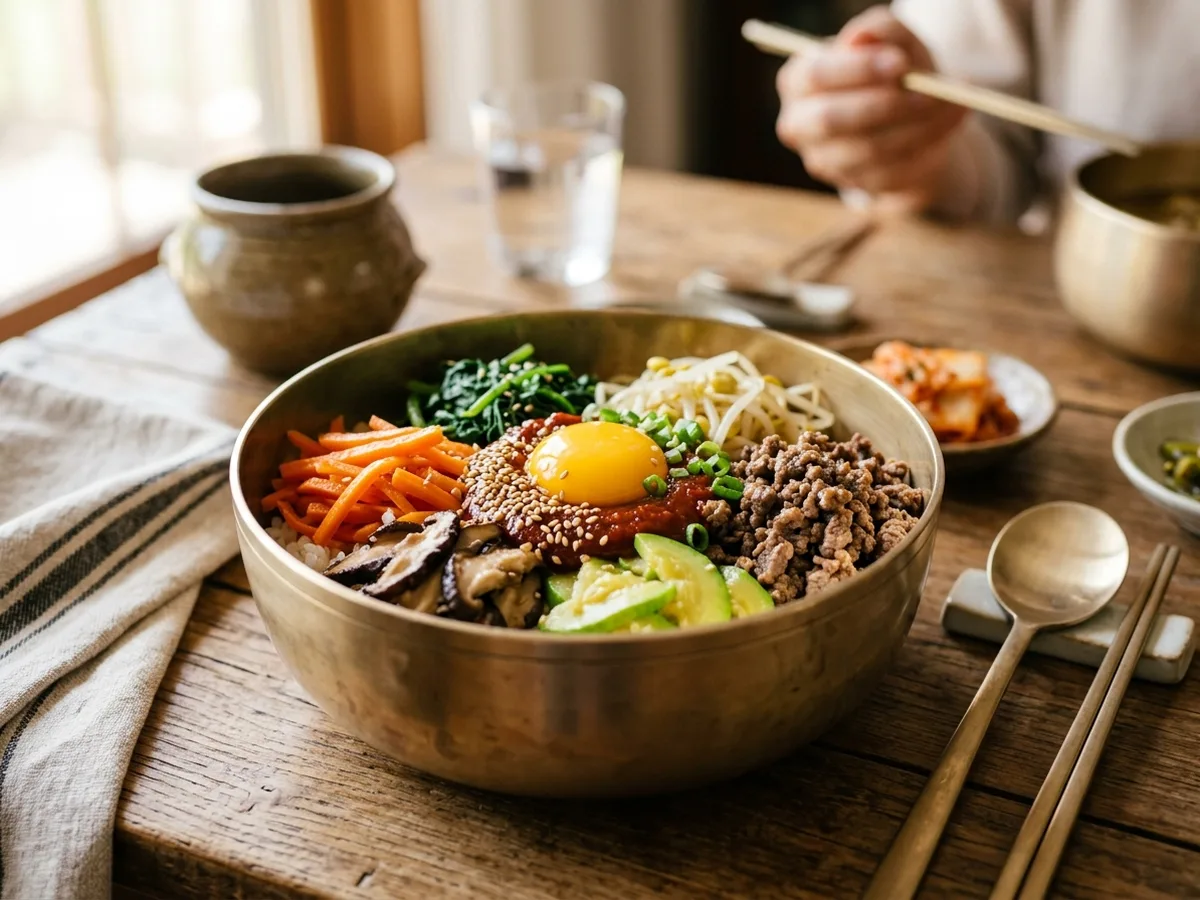
What is Bibimbap?
Bibimbap (비빔밥) is the iconic mixed-rice bowl — warm rice topped with seasoned vegetables (namul), meat, gochujang, sesame oil, and an egg, stirred completely before eating. Jeonju is its most famous home, and the stone-pot dolsot version adds crackling crusted rice. Its logic is the Korean meal in one bowl: balance of color, temperature, and seasoning, finished by the diner's own hand at the table.
How to eat it
- Add gochujang to taste (start with half the dollop), then mix everything — properly, thoroughly, until no white rice shows.
- Drizzle sesame oil if offered, mix again, and eat with the spoon, not chopsticks.
- Alternate with the soup that accompanies it; that's the palate reset.
Cooking it at home
- Prepare rice plus 3–5 seasoned vegetables (spinach, bean sprouts, carrot, zucchini, mushroom) — leftovers work perfectly.
- Top with fried egg and optional seasoned beef.
- Serve with gochujang thinned with a little sesame oil for easier mixing.
Good to know
- Mixing shyly is the classic foreigner mistake — locals mix hard; the flavor lives in the blend.
Jeonju is the bibimbap capital; yukhoe (raw beef) bibimbap is the connoisseur's version.
Seen on Screen
Tastefully Yours (입맛대로 하는 연애, 2025) — The show's food philosophy — regional ingredients, honest technique — is bibimbap's philosophy. (Theme connection — not a specific-scene claim.)
Theme connection — not a specific-scene claim
Jewel in the Palace (Dae Jang Geum) (대장금, 2003) — The series' detailed depictions of traditional recipes — bibimbap among them — drove a global boom in Korean royal-cuisine interest and cookbooks.
✓ Verified — editorial research
Where to eat it
Best for first-time visitorsMICHELIN Guide listed
A hanok-style bibimbap specialist at the foot of Namsan — composed, seasonal and Michelin-guide listed; the gateway bibimbap before the cable car.
Known for: Bibimbap
Open as of our last check (2026-07-20) · Sources: DiningCode (명동점) · DiningCode (남산타워점) — hours, prices and status can change; check the map link before visiting.
Nutrition
| Calories | 142 kcal |
|---|---|
| Carbohydrate | 18.84 g |
| Protein | 6.86 g |
| Fat | 4.32 g |
| Sodium | 232 mg |
Per serving (~450g): ≈639 kcal · sodium ≈1,044 mg (52% of the WHO daily guideline, 2,000 mg)
Related foods
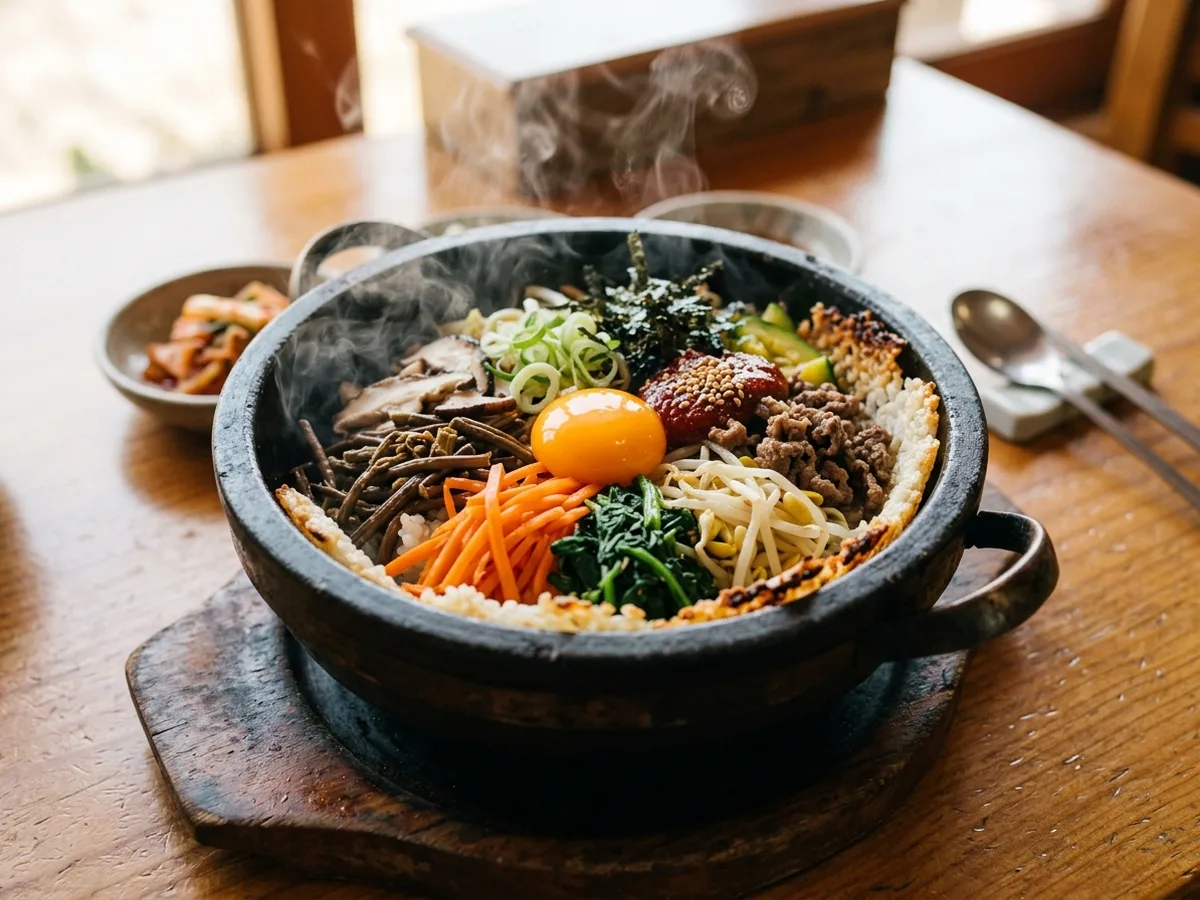 돌솥비빔밥 · Dolsot BibimbapOften eaten together Bibimbap in a sizzling stone pot — the crispy rice is the prize.
 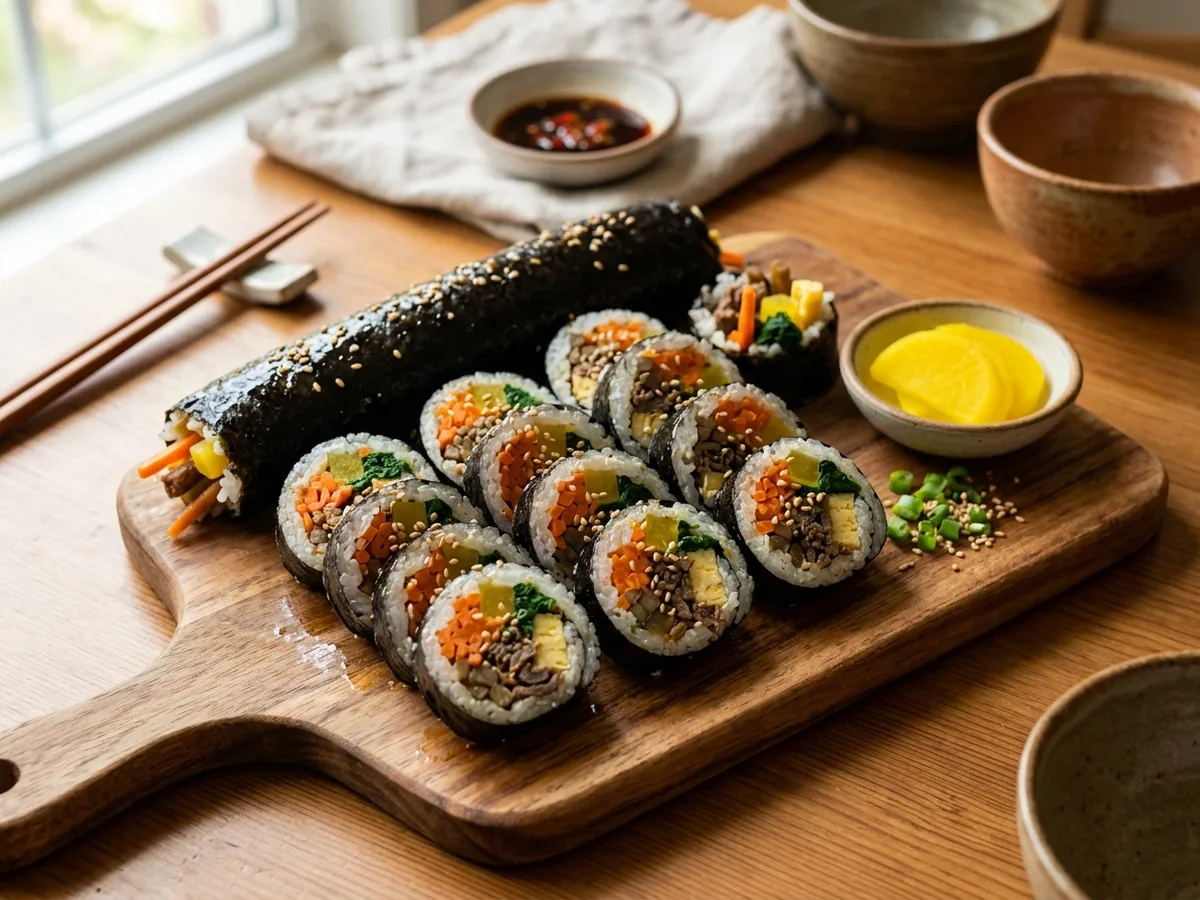 김밥 · GimbapSame family · egg Seaweed rice rolls — Korea's picnic and lunchbox default.
 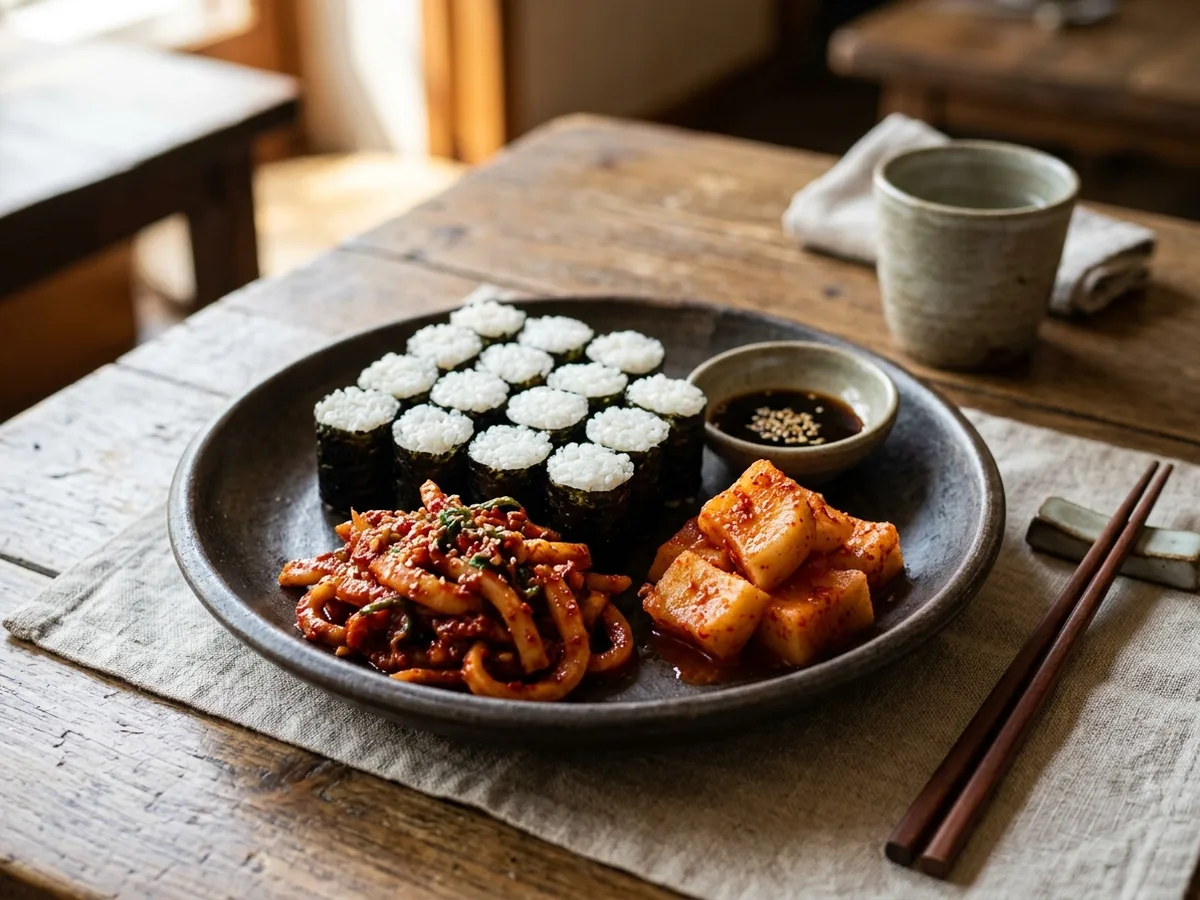 충무김밥 · Chungmu GimbapSame family · Rice & Porridge Plain mini rolls served with spicy squid and radish — Tongyeong style.
 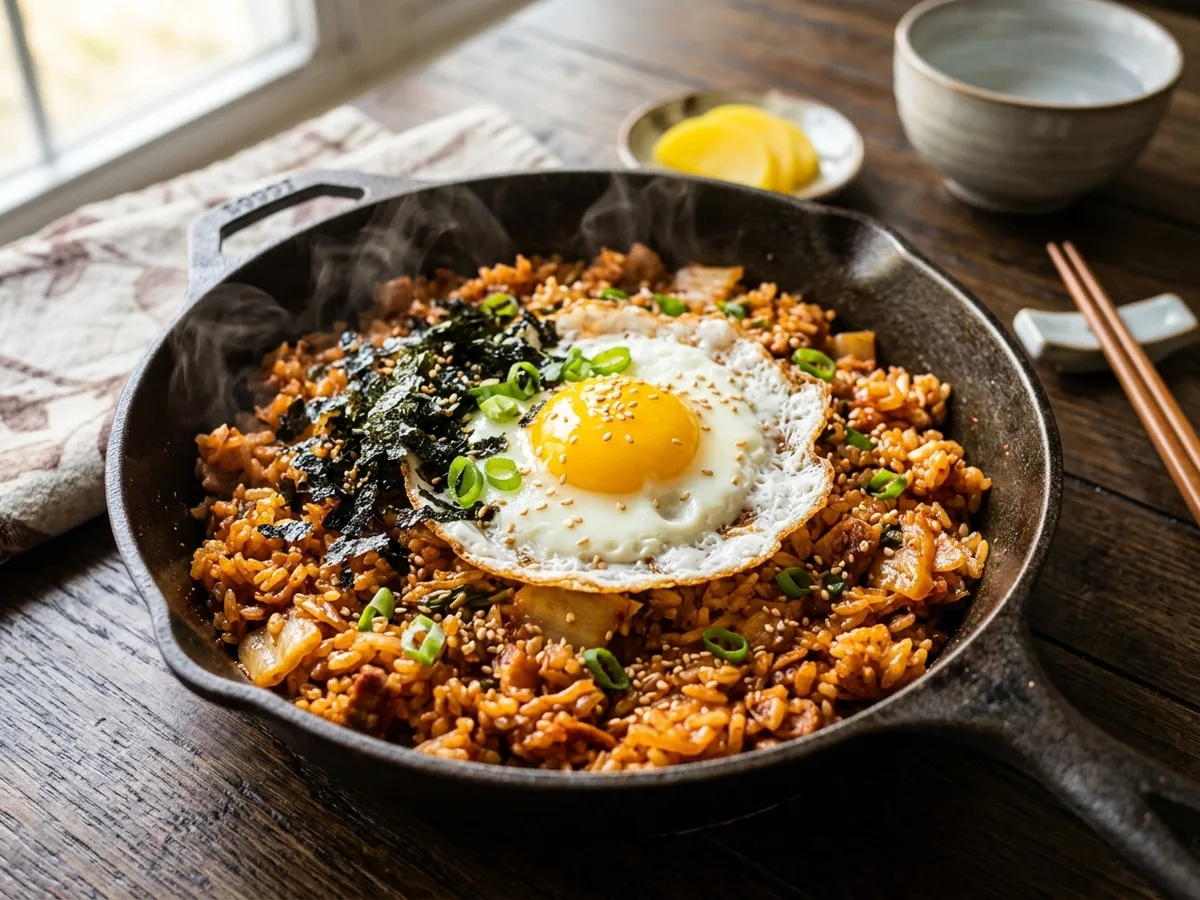 김치볶음밥 · Kimchi BokkeumbapSame family · egg Kimchi fried rice, best with a fried egg on top.
 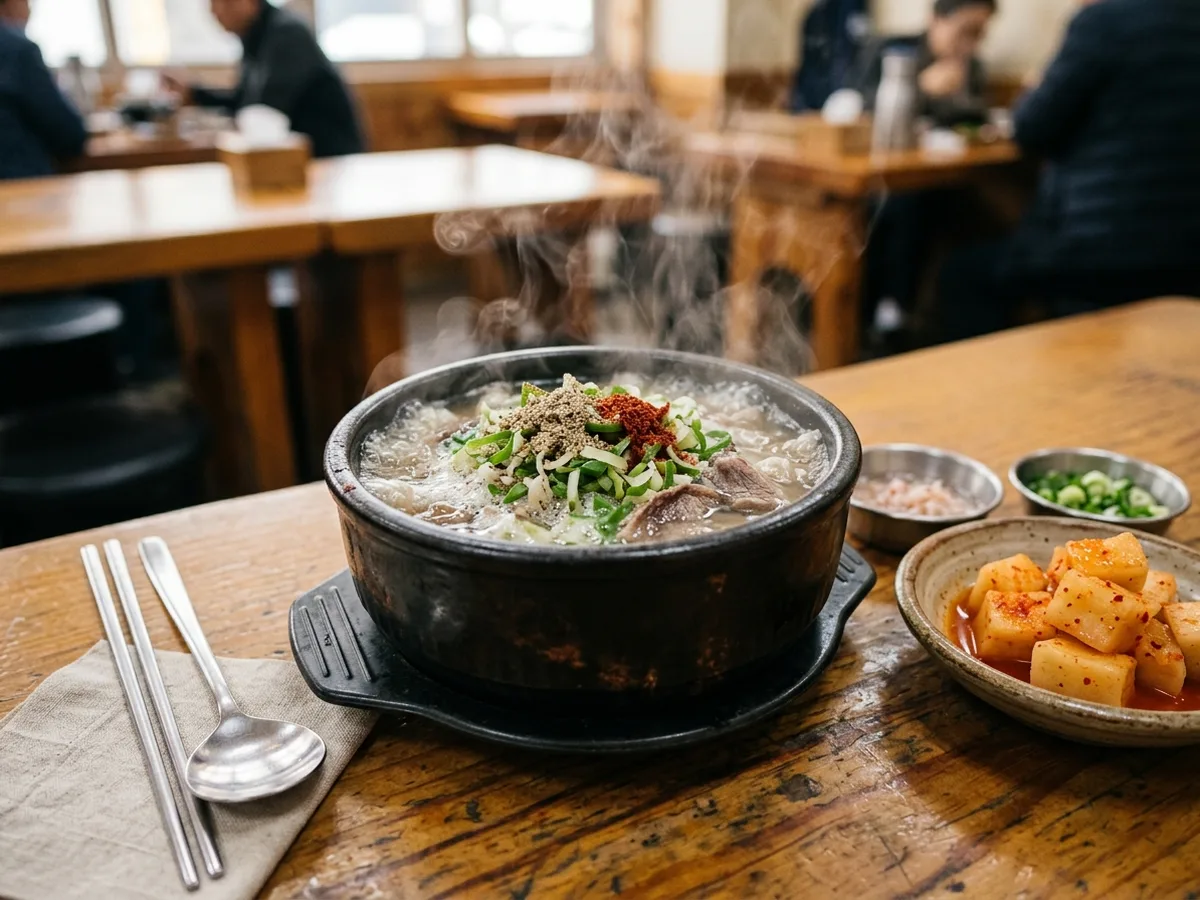 국밥 · GukbapSame family · Rice & Porridge Rice in hot soup — fast, cheap, and deeply Korean.