Bugeoguk (북어국)
Dried-pollock soup — Korea's gentle hangover cure.
- Korean name
- 북어국
- Spice level
- Not spicy
- Flavor
- savory · mild
- Typically contains
- fish, egg
- Vegetarian / vegan
- Not vegetarian — meat or seafood is core to the dish
- Typical price
- ₩9,000–₩13,000 per person checked 2026-07 — varies by area
- Good to know
- Beginner-friendly ●●●○○ Solo dining ●●●●○ Kid-friendly ●●●○○
- Also written as
- bugeo guk, dried pollock soup, hwangtae guk, hangover soup
What is Bugeoguk?
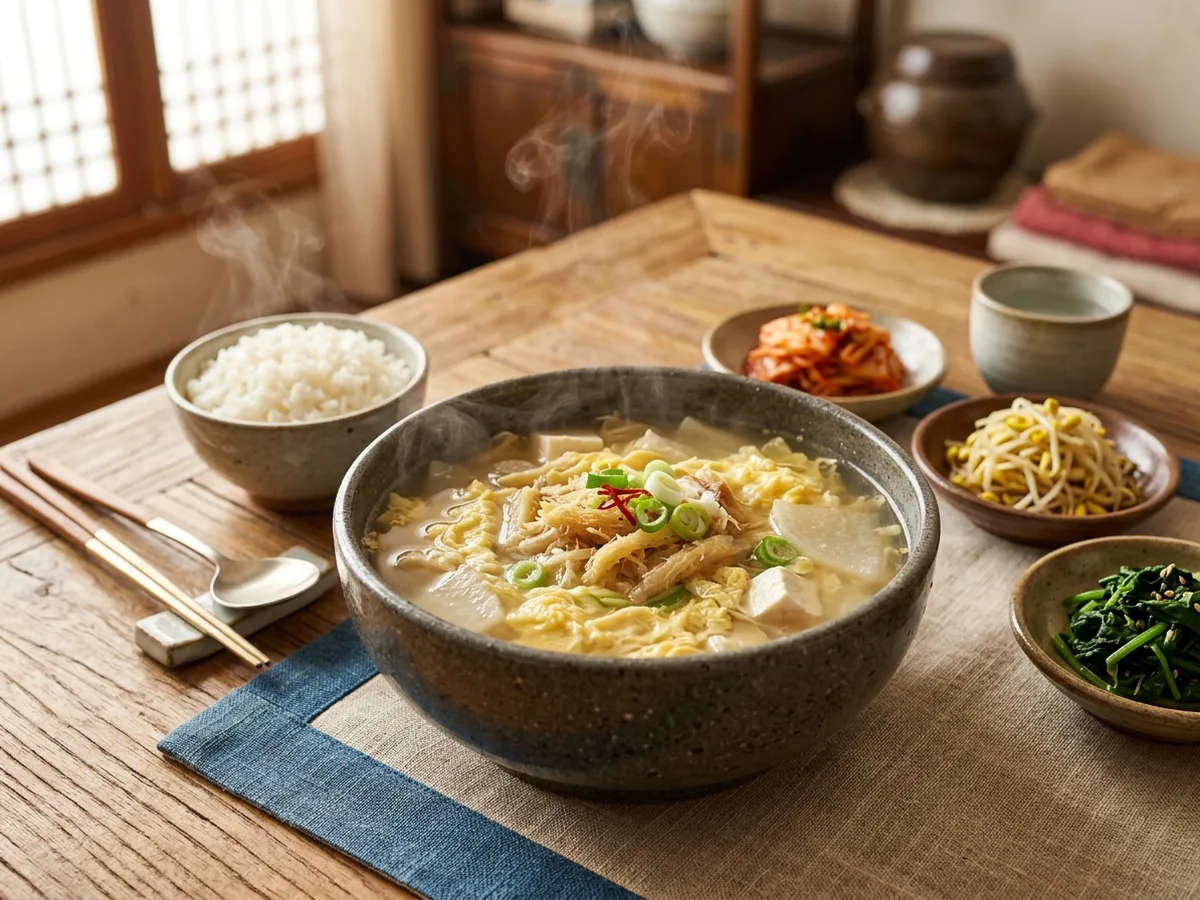
Bugeoguk is Korea's gentle morning reset: dried pollock simmered into a clear, savory broth with tofu, radish and egg. Where other hangover soups fight fire with fire, this one soothes — light, warming, and easy on a rough stomach, which is why hotel breakfasts and office-district lunch spots keep it on permanent rotation.
How to eat it
- Eat it with rice like any guk — many regulars pour the rice straight in.
- The dried pollock strips are chewy-soft; they're rehydrated, not undercooked.
- Season with salt or a spoon of saeu-jeot if the broth is too gentle for you.
Cooking it at home
- Sauté dried pollock strips (hwangtae/bugeo) in sesame oil until fragrant.
- Add water or rice-water and simmer until milky-clear; add radish and tofu.
- Finish with beaten egg and scallion; season with salt or soup soy sauce.
Good to know
- It's fish-based through and through — not an option for fish allergies despite the mild look.
The classic 'morning after' soup — Koreans credit dried pollock with liver-reviving powers, which is why it anchors hangover-soup culture alongside spicier rivals.
Nutrition
| Calories | 28 kcal |
|---|---|
| Carbohydrate | 0.84 g |
| Protein | 3.89 g |
| Fat | 0.98 g |
| Sodium | 232 mg |
Per serving (~400g): ≈112 kcal · sodium ≈928 mg (46% of the WHO daily guideline, 2,000 mg)
Related foods
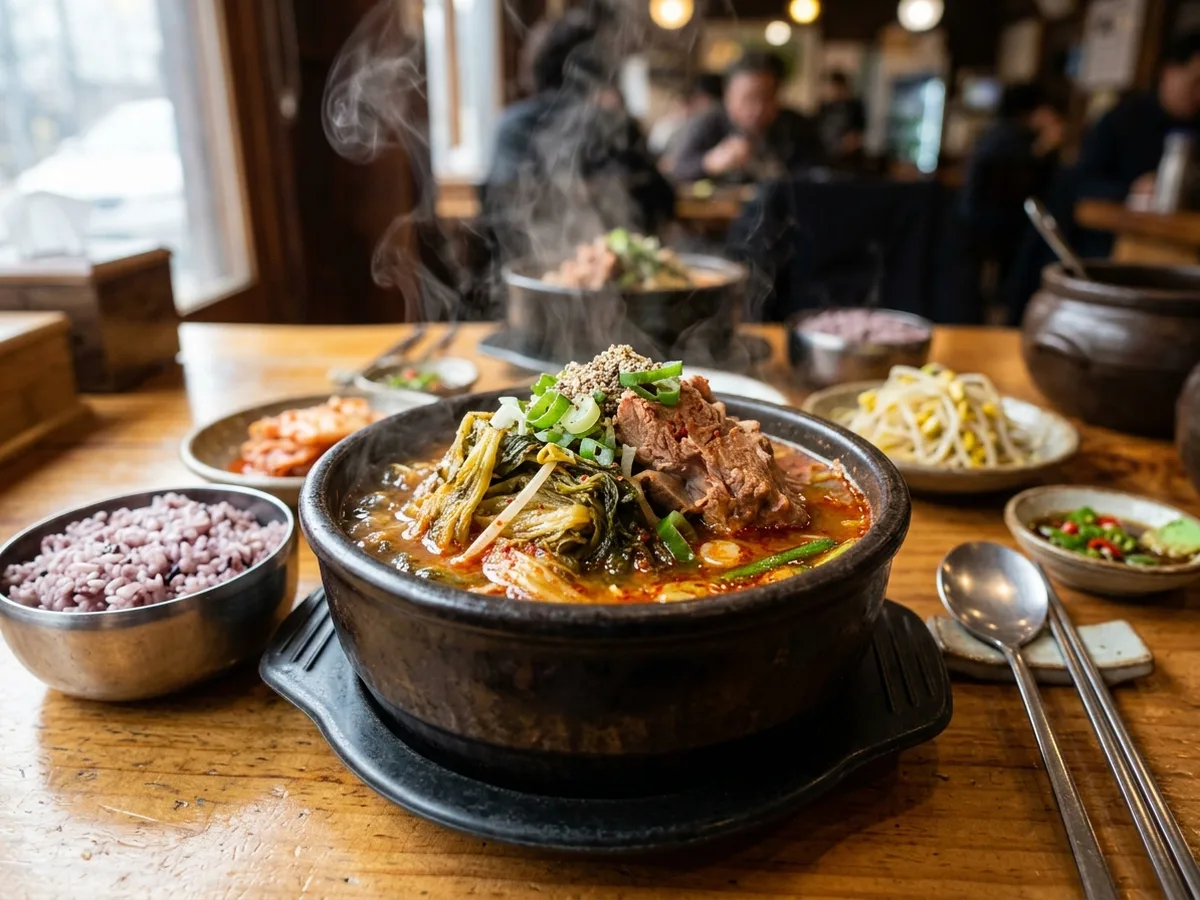 뼈다귀해장국 · HaejanggukOften eaten together Pork-bone 'hangover soup' — the heavy-duty morning-after fix.
 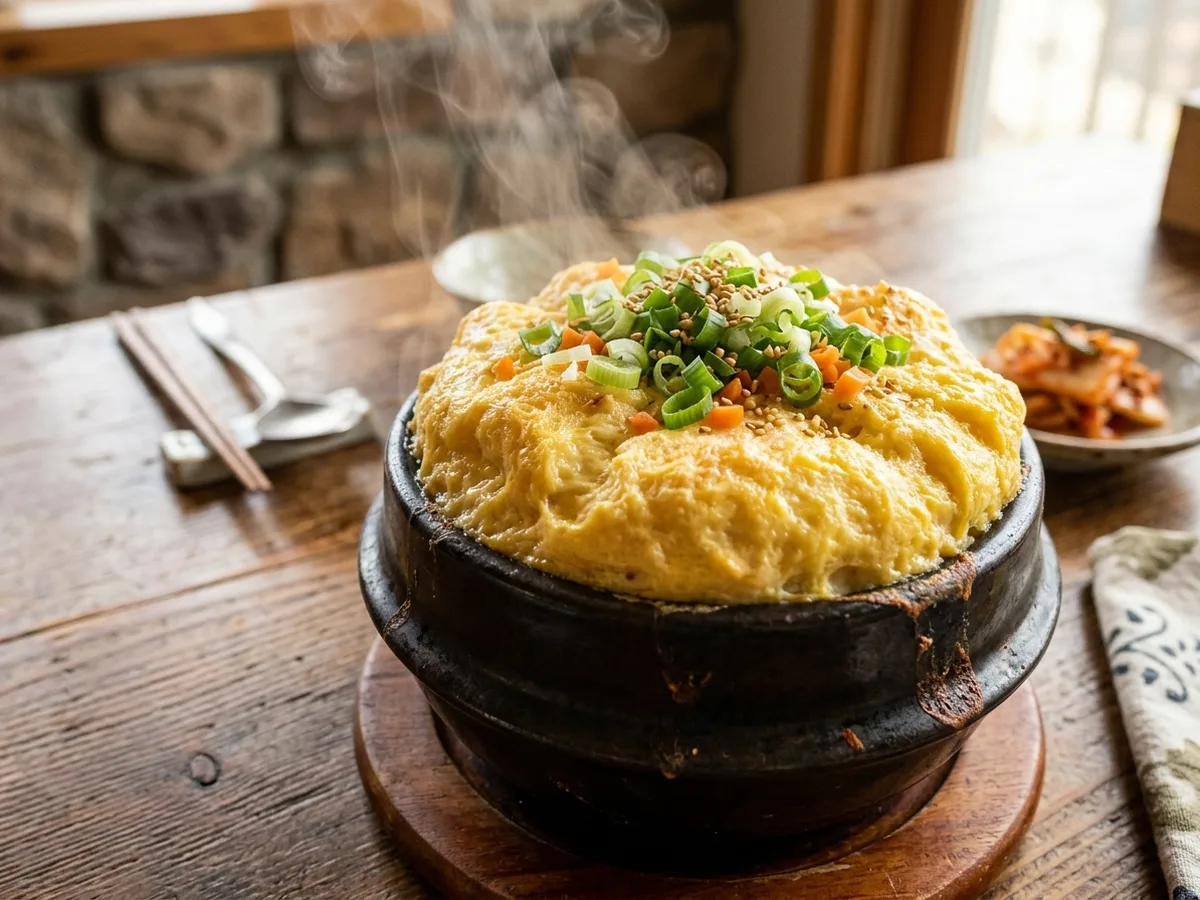 계란찜 · Gyeran JjimOften eaten together Fluffy steamed egg in a hot ttukbaegi — the BBQ-house side hero.
 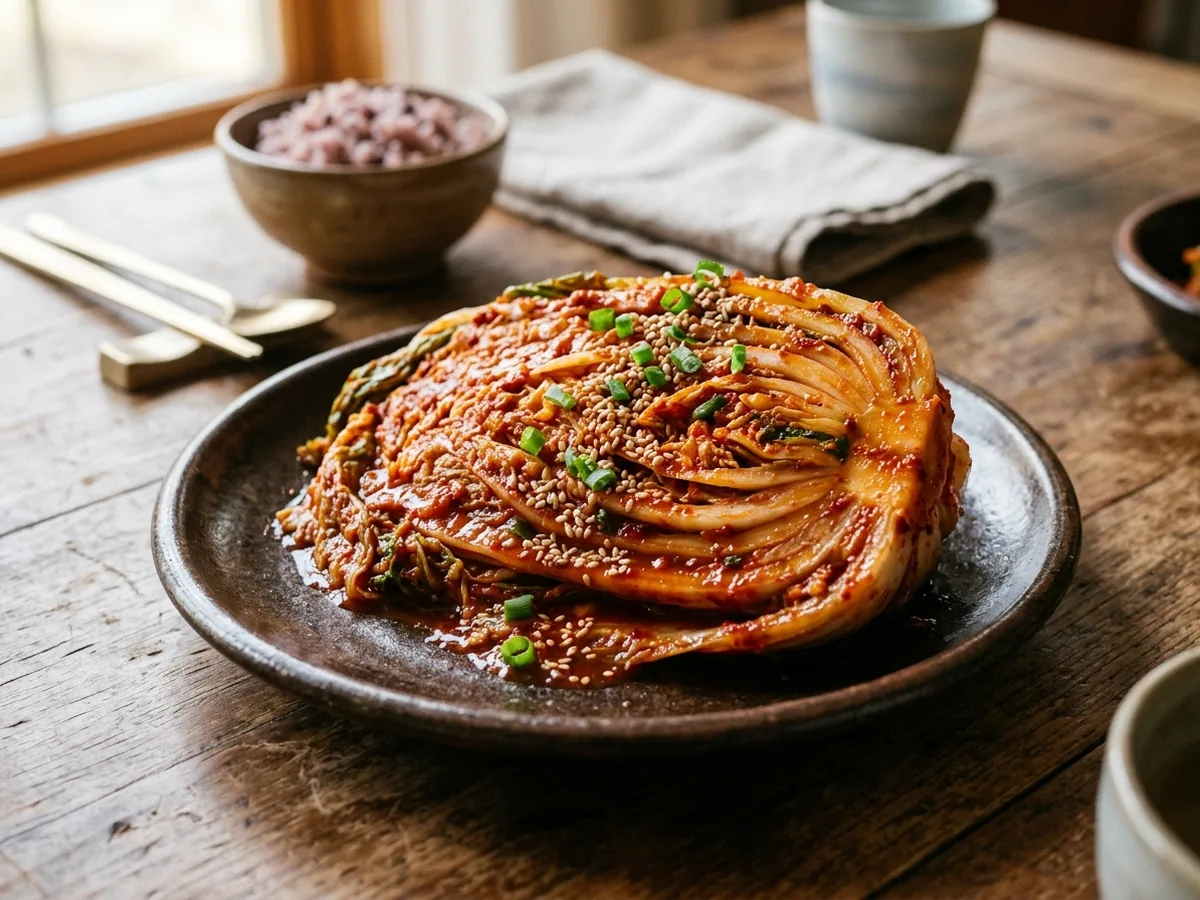 배추김치 · KimchiOften eaten together Fermented napa cabbage — the one dish on every Korean table.
 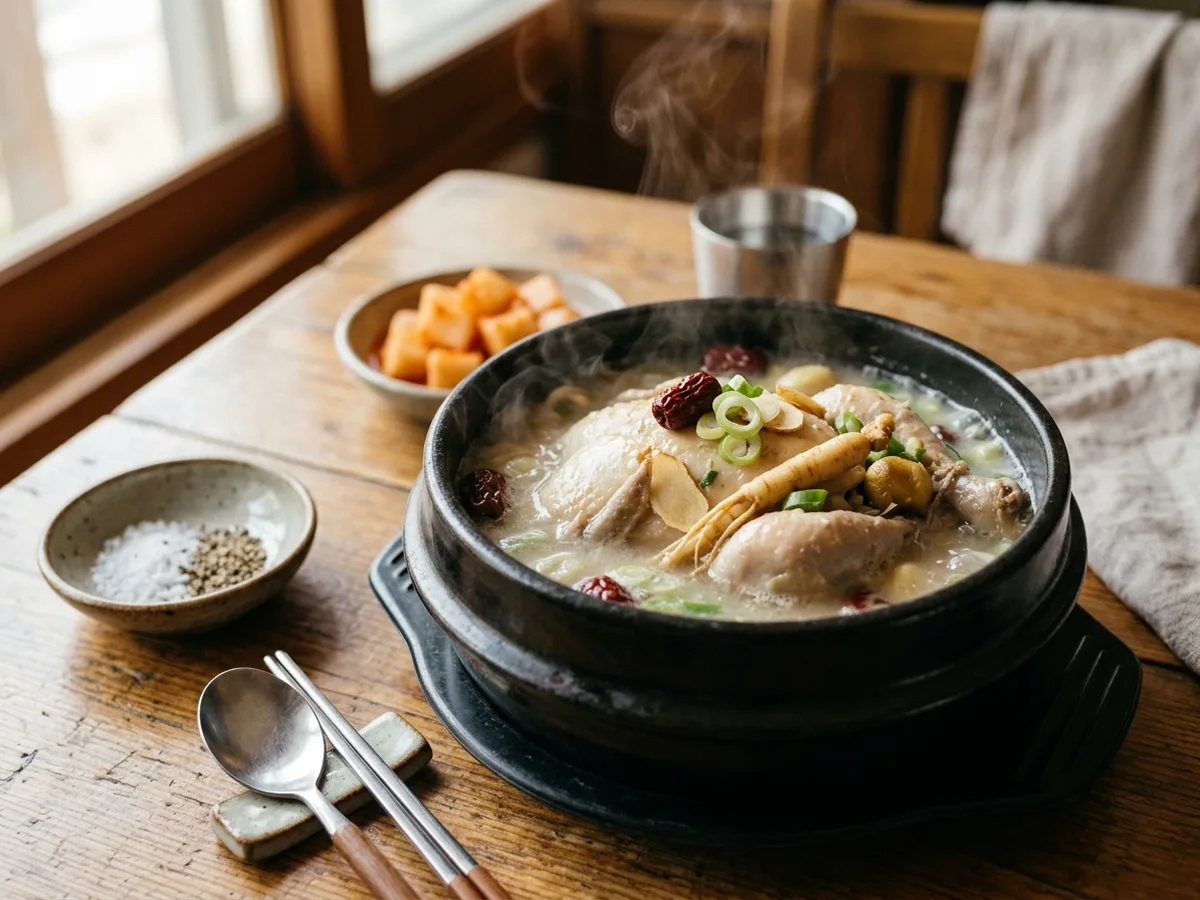 삼계탕 · SamgyetangSame family · Soups & Hot Pots Whole young chicken stuffed with rice and ginseng — summer stamina food.
 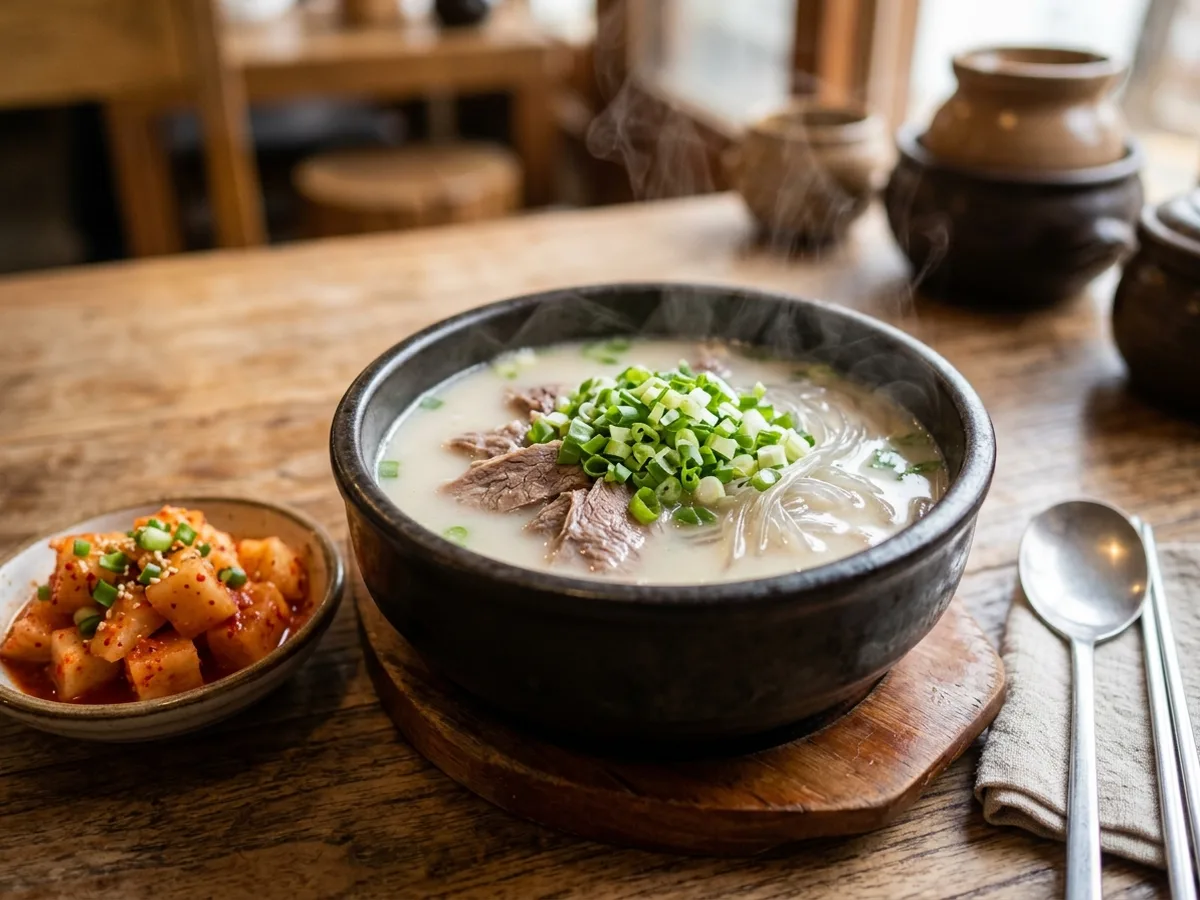 설렁탕 · SeolleongtangSimilar flavor · savory, mild Milky ox-bone broth you season yourself with salt and scallions.