Godeungeo Gui (고등어구이)
Grilled mackerel — the backbone of a Korean set meal.
- Korean name
- 고등어구이
- Spice level
- Not spicy
- Flavor
- savory · briny
- Typically contains
- fish
- Vegetarian / vegan
- Not vegetarian — meat or seafood is core to the dish
- Typical price
- ₩9,000–₩15,000 per person checked 2026-07 — varies by area
- Good to know
- Beginner-friendly ●●●●○ Solo dining ●●●●○ Kid-friendly ●●●●○
- Also written as
- godeungeo, grilled mackerel, godeungeo gui
What is Godeungeo Gui?
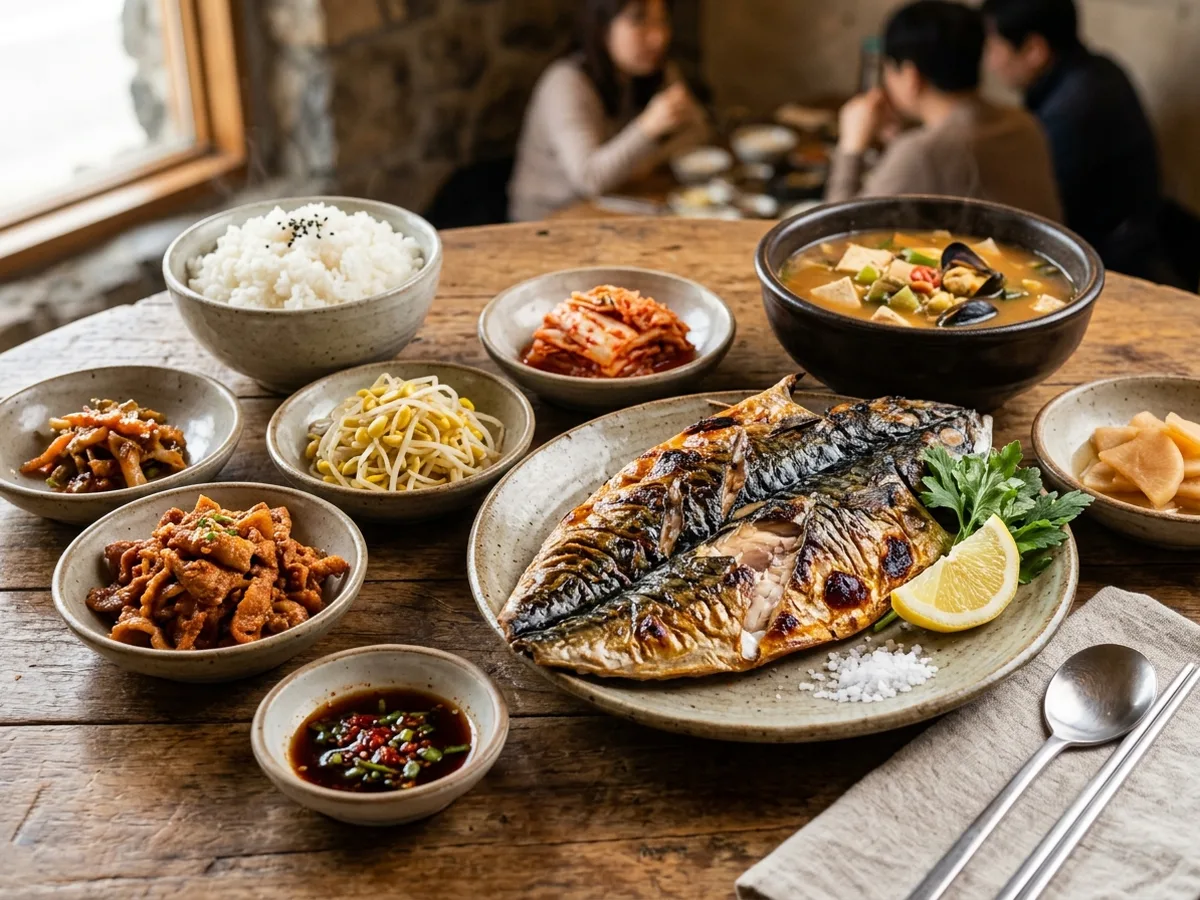
Godeungeo-gui — grilled mackerel — is the backbone protein of the Korean set meal: oily, silver-skinned fillets salted and grilled until the skin blisters and the flesh steams. Cheap, rich in omega-3s by reputation and nostalgia in equal measure, it's what 'baekban' (home-style set menu) restaurants are judged by.
How to eat it
- Lift flesh off the bones with chopsticks, starting from the spine line.
- A squeeze of lemon or dip in soy-wasabi where provided; salt-grilled needs little.
- Wrap in gim with rice for the home-style power move.
Good to know
- Fine pin bones are part of the deal — feed children carefully.
- Cooking it indoors commits your home to the smell for a day; Koreans grill it on the fish-only burner or buy it done.
Andong's salted mackerel (gan-godeungeo) tradition made preserved mackerel an inland delicacy.
Nutrition
| Calories | 142 kcal |
|---|---|
| Carbohydrate | 2.69 g |
| Protein | 9.51 g |
| Fat | 9.99 g |
| Sodium | 207 mg |
Per serving (~170ml): ≈241 kcal · sodium ≈352 mg (18% of the WHO daily guideline, 2,000 mg)
Related foods
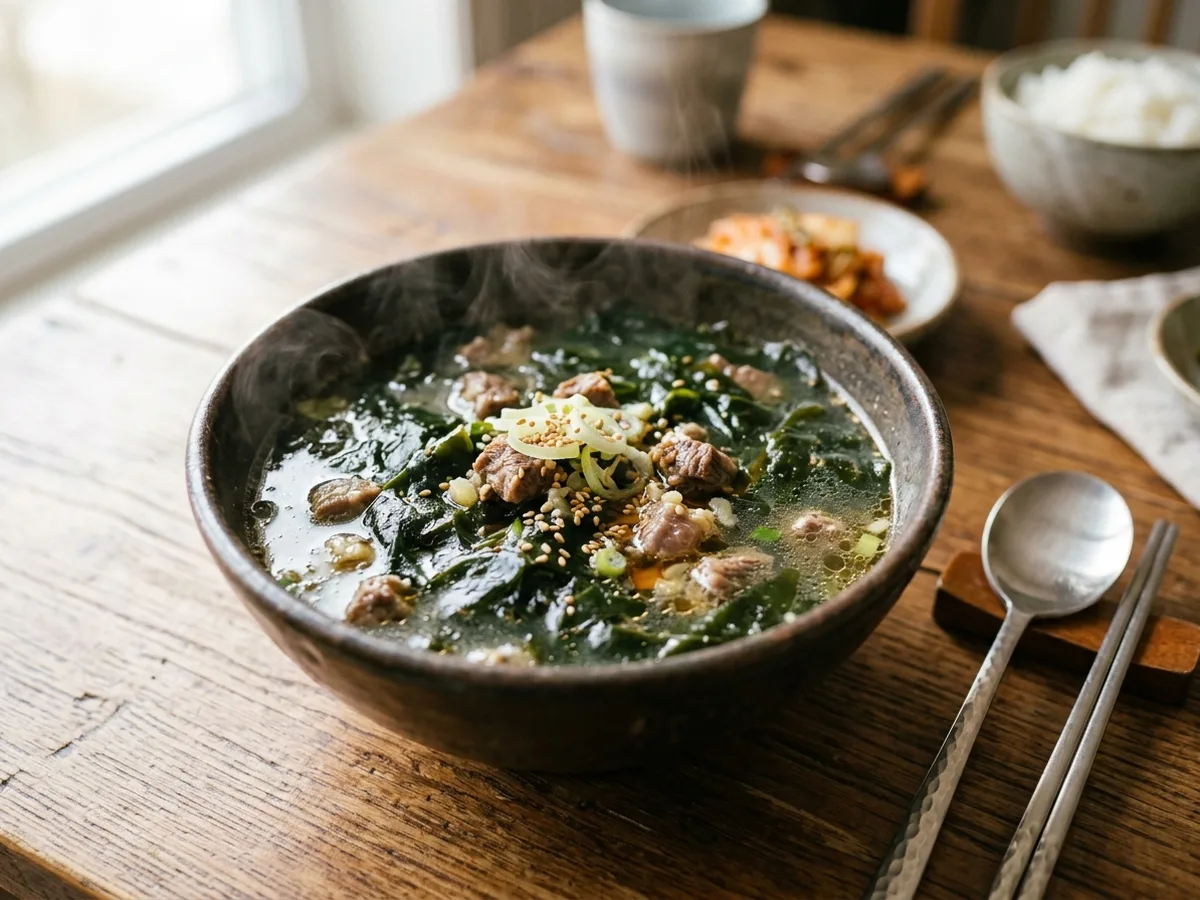 미역국 · MiyeokgukOften eaten together Seaweed soup — what every Korean eats on their birthday.
 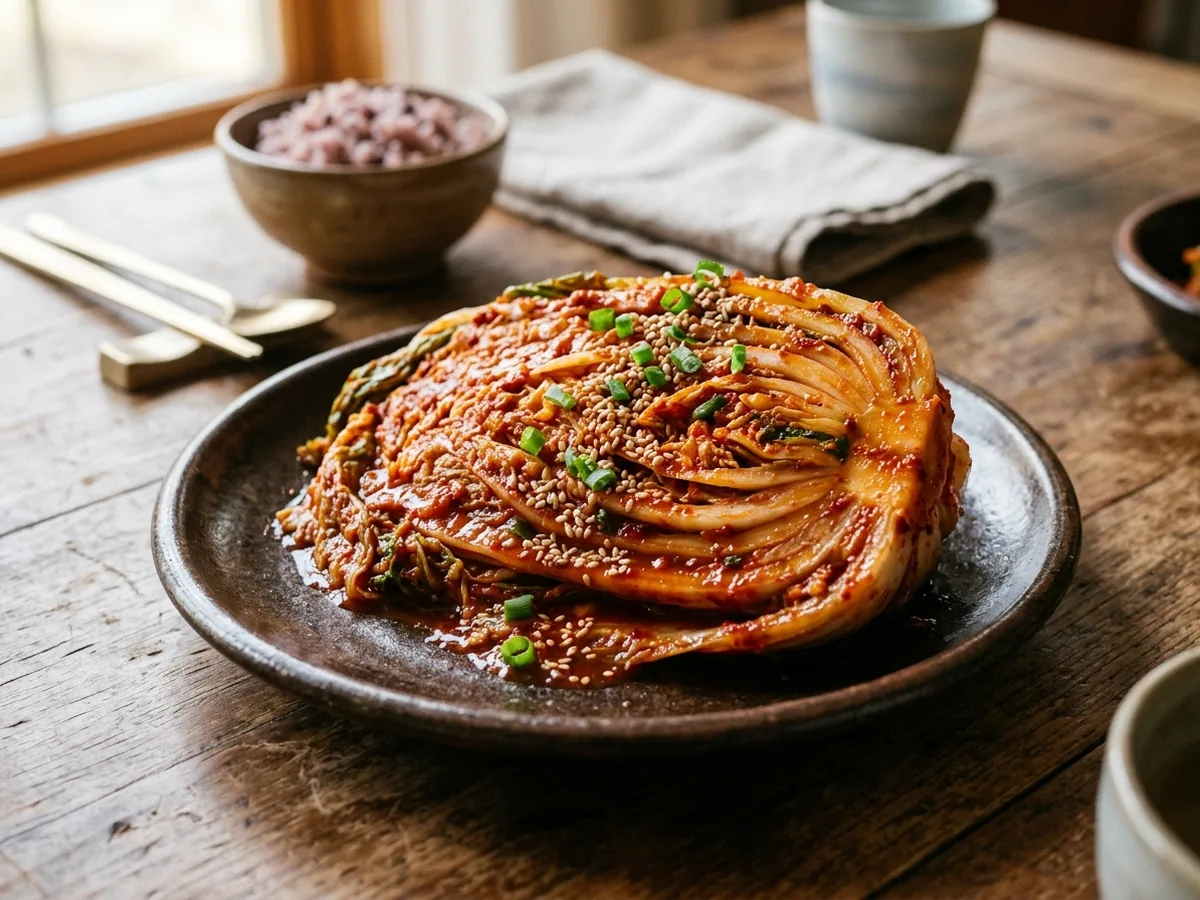 배추김치 · KimchiOften eaten together Fermented napa cabbage — the one dish on every Korean table.
 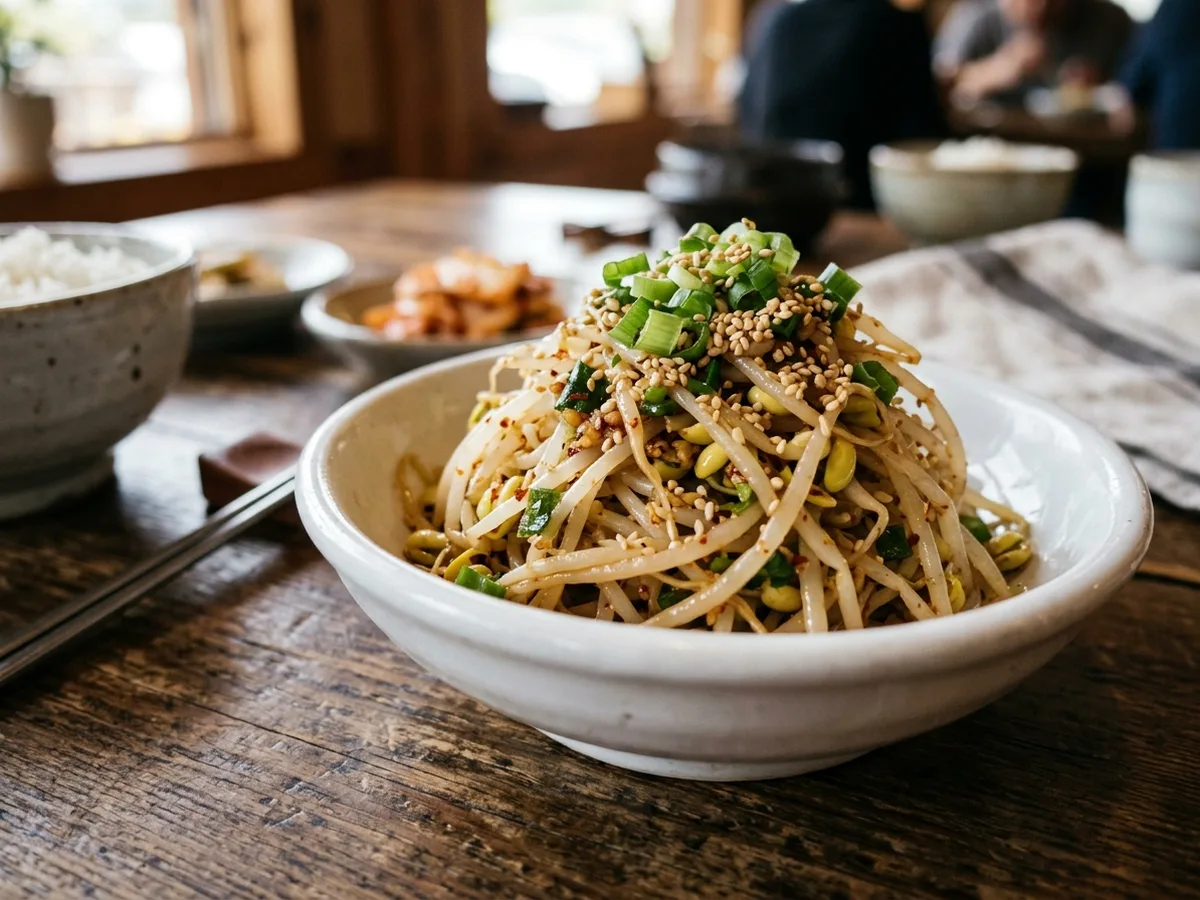 콩나물무침 · Kongnamul MuchimOften eaten together Seasoned soybean sprouts — the most common banchan of all.
 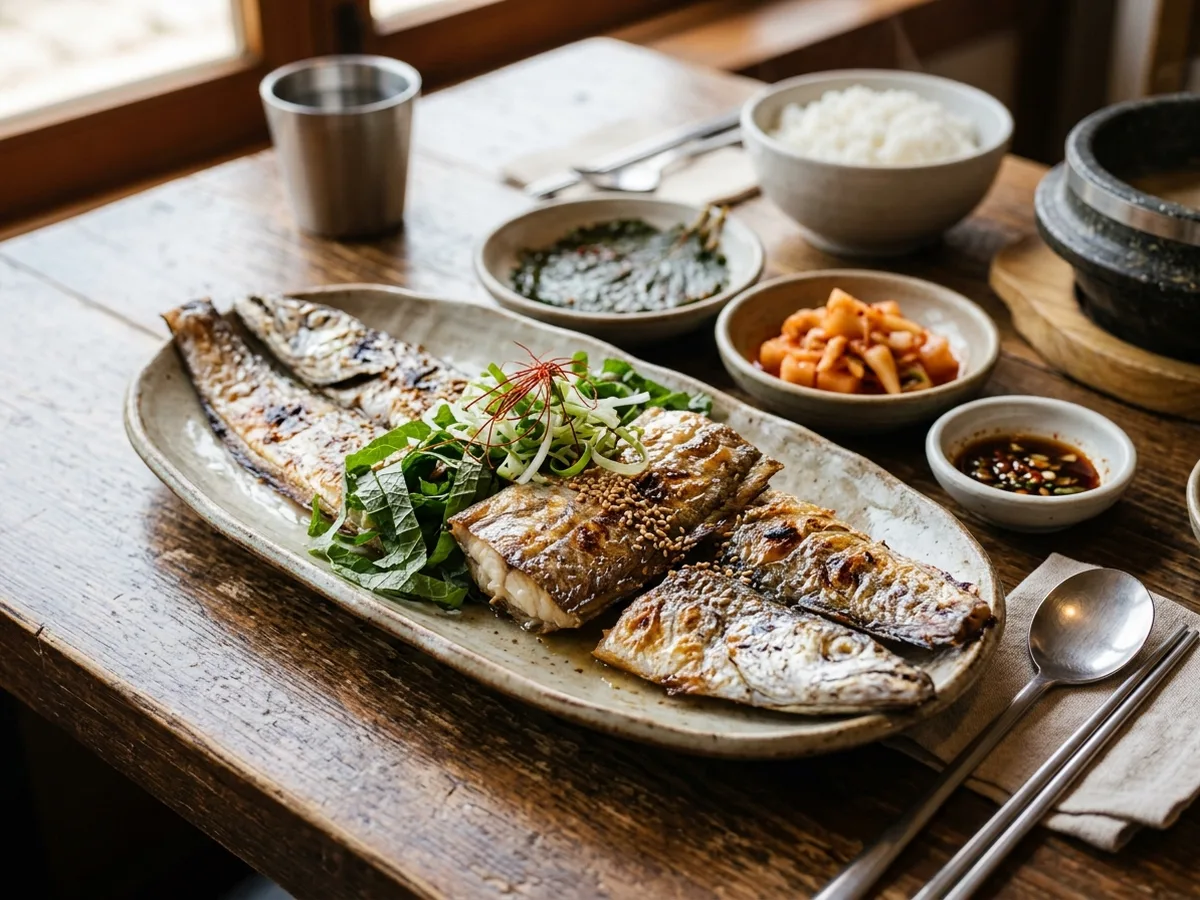 갈치구이 · Galchi GuiOften eaten together Grilled hairtail — silver-skinned, delicate, a Jeju favorite.
 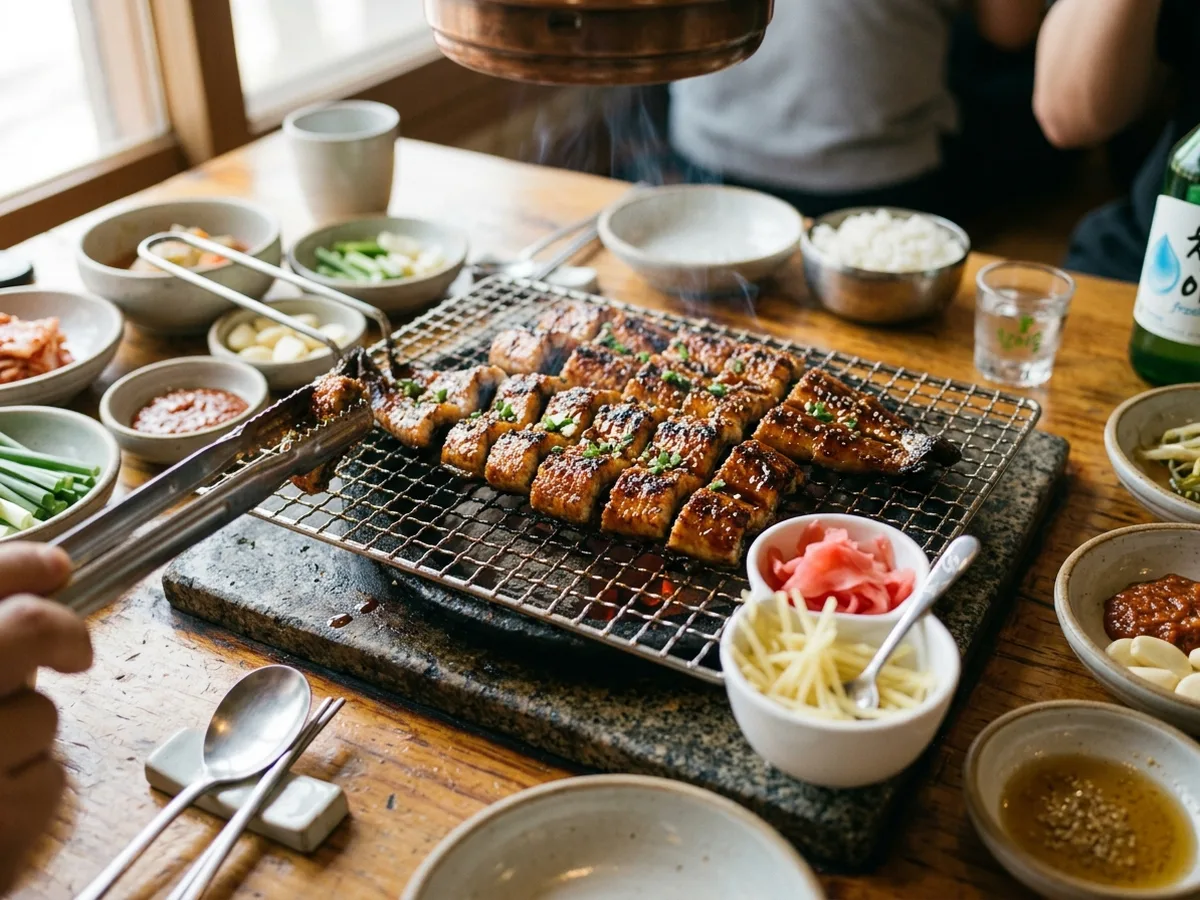 장어구이 · Jangeo GuiSame family · fish Glazed grilled eel — Korea's classic stamina food.