Jjukkumi Bokkeum (주꾸미볶음)
Spicy webfoot octopus stir-fry — spring's spiciest craving.
- Korean name
- 주꾸미볶음
- Spice level
- Very spicy
- Flavor
- spicy
- Typically contains
- octopus
- Vegetarian / vegan
- Not vegetarian — meat or seafood is core to the dish
- Typical price
- ₩15,000–₩30,000 per person checked 2026-07 — varies by area
- Good to know
- Beginner-friendly ●●○○○ Solo dining ●●●○○ Kid-friendly ●○○○○
- Also written as
- jjukkumi, jukkumi, jukumi, spicy baby octopus
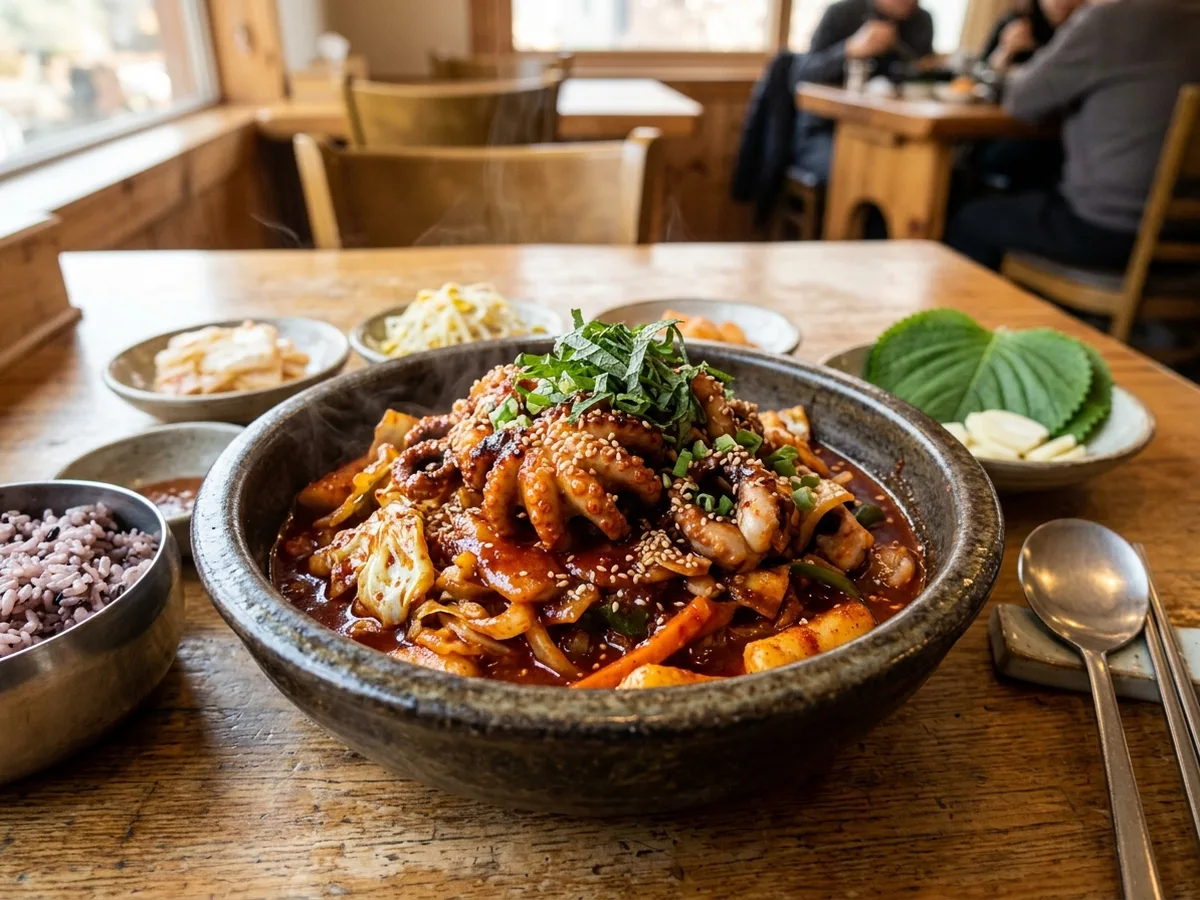
What is Jjukkumi Bokkeum?
Jjukkumi-bokkeum is spring's spice ritual: webfoot octopus — smaller and sweeter than nakji — stir-fried or grilled in chili paste right when the spring catch peaks. The rice-fried finish in the leftover sauce is non-negotiable; the March–April jjukkumi pilgrimage to west-coast ports is a seasonal sport.
How to eat it
- Whole small ones are eaten in one or two bites — head included (roe in spring).
- Char-grilled versions (jjukkumi-gui) trade sauce for smoke; try both.
- The fried-rice finale in the pan is mandatory culture.
Good to know
- Spring roe-filled heads burst hot — bite carefully.
- Heat level parallels nakji-bokkeum — high.
Spring jjukkumi vs autumn jeoneo (gizzard shad) — Korea's seasonal seafood calendar in one proverb.
Nutrition
| Calories | 106 kcal |
|---|---|
| Carbohydrate | 11.41 g |
| Protein | 9.16 g |
| Fat | 2.6 g |
| Sodium | 459 mg |
Per serving (~200g): ≈212 kcal · sodium ≈918 mg (46% of the WHO daily guideline, 2,000 mg)
Related foods
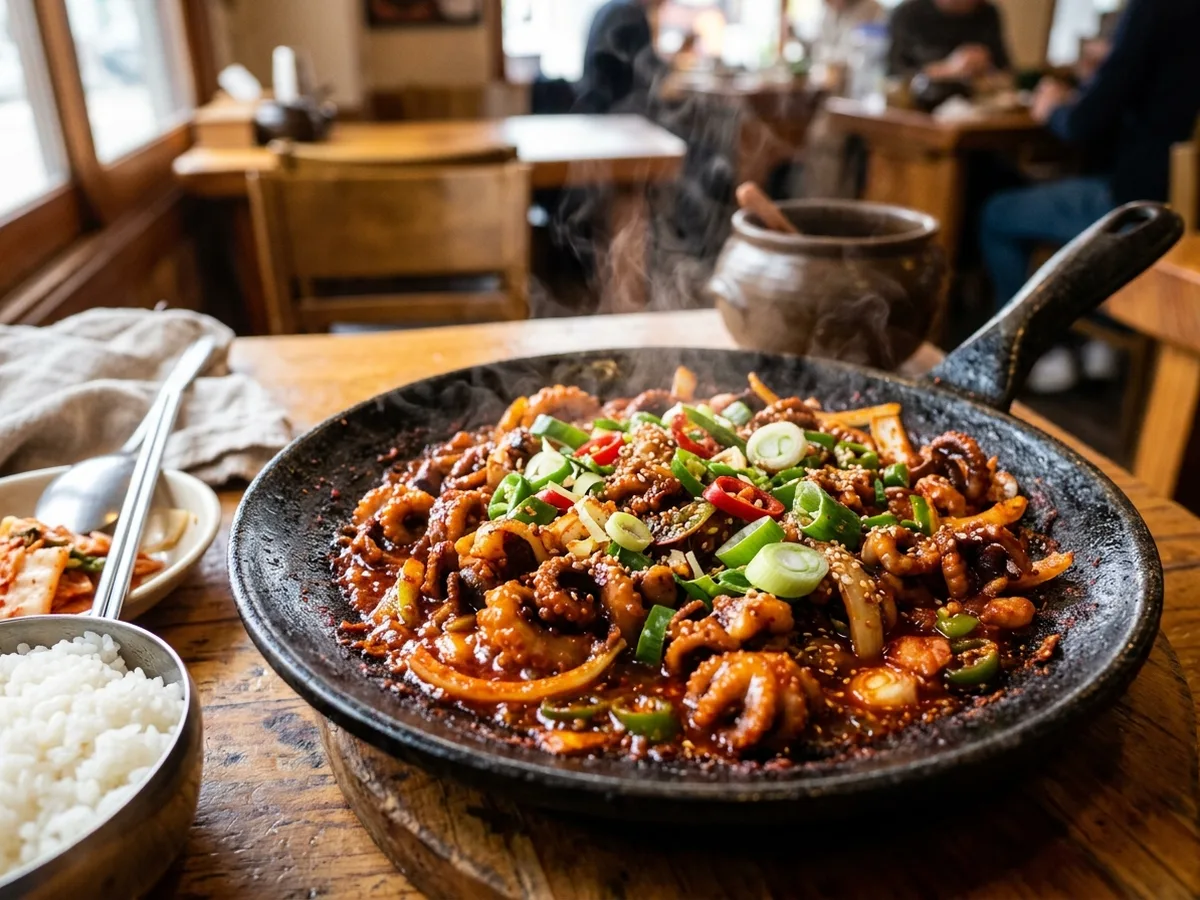 낙지볶음 · Nakji BokkeumOften eaten together Stir-fried baby octopus in fiery chili sauce.
 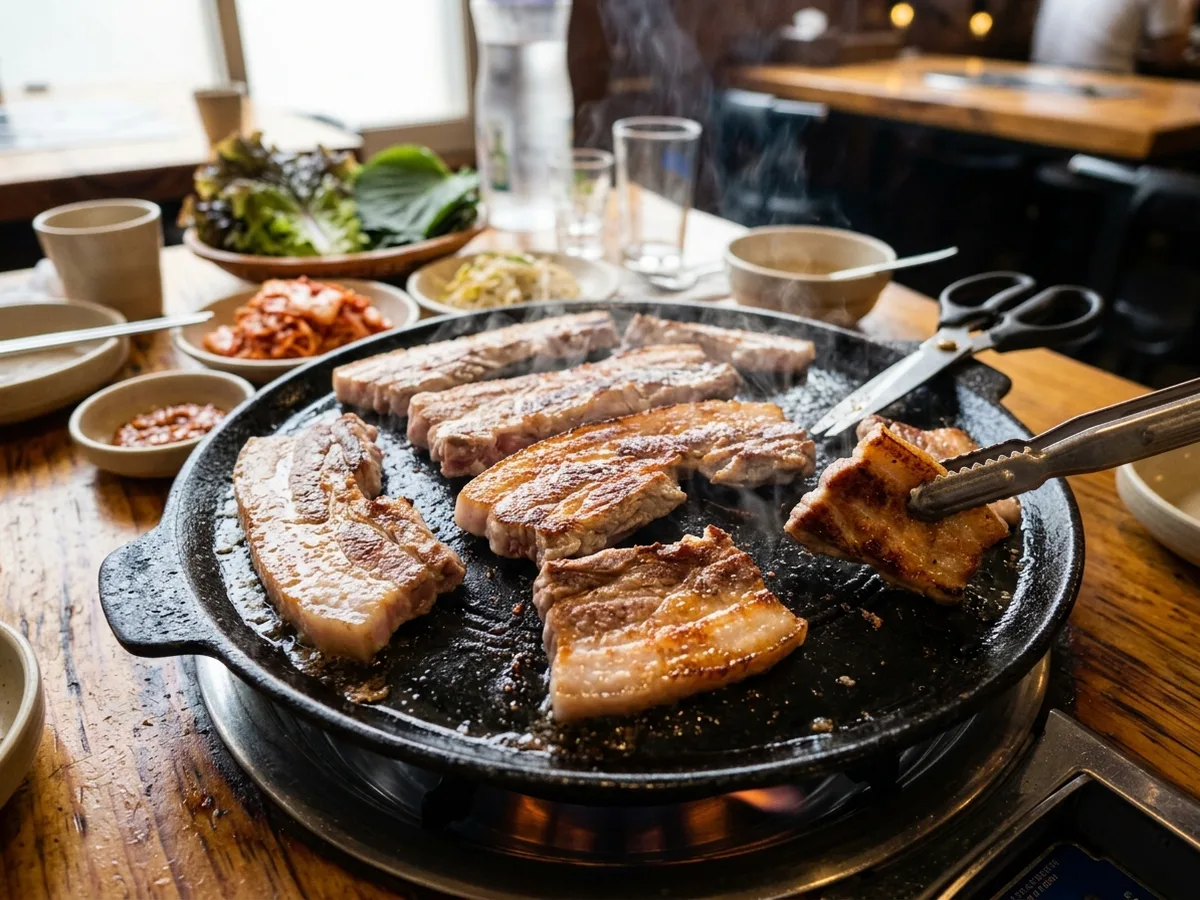 삼겹살 · SamgyeopsalOften eaten together Thick-cut grilled pork belly — Korea's default BBQ night.
 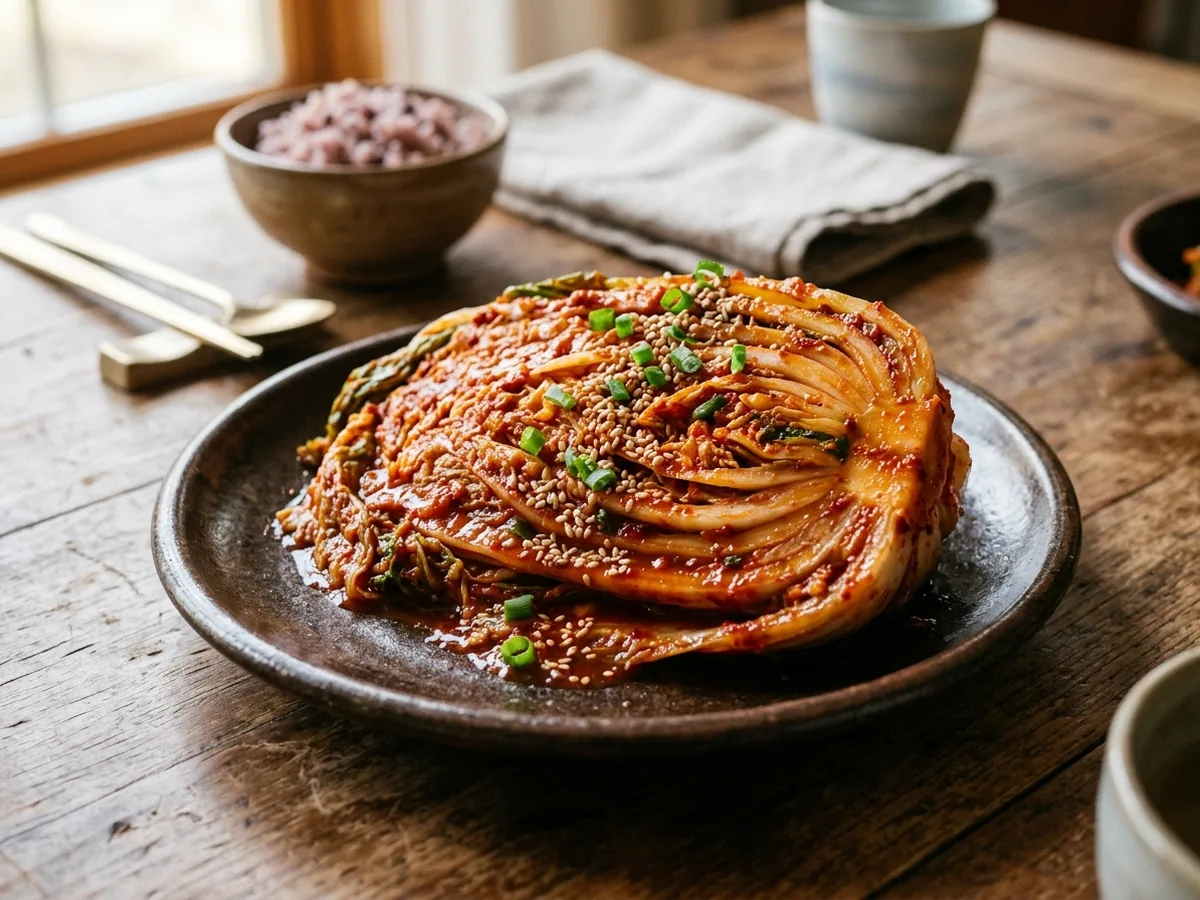 배추김치 · KimchiOften eaten together Fermented napa cabbage — the one dish on every Korean table.
 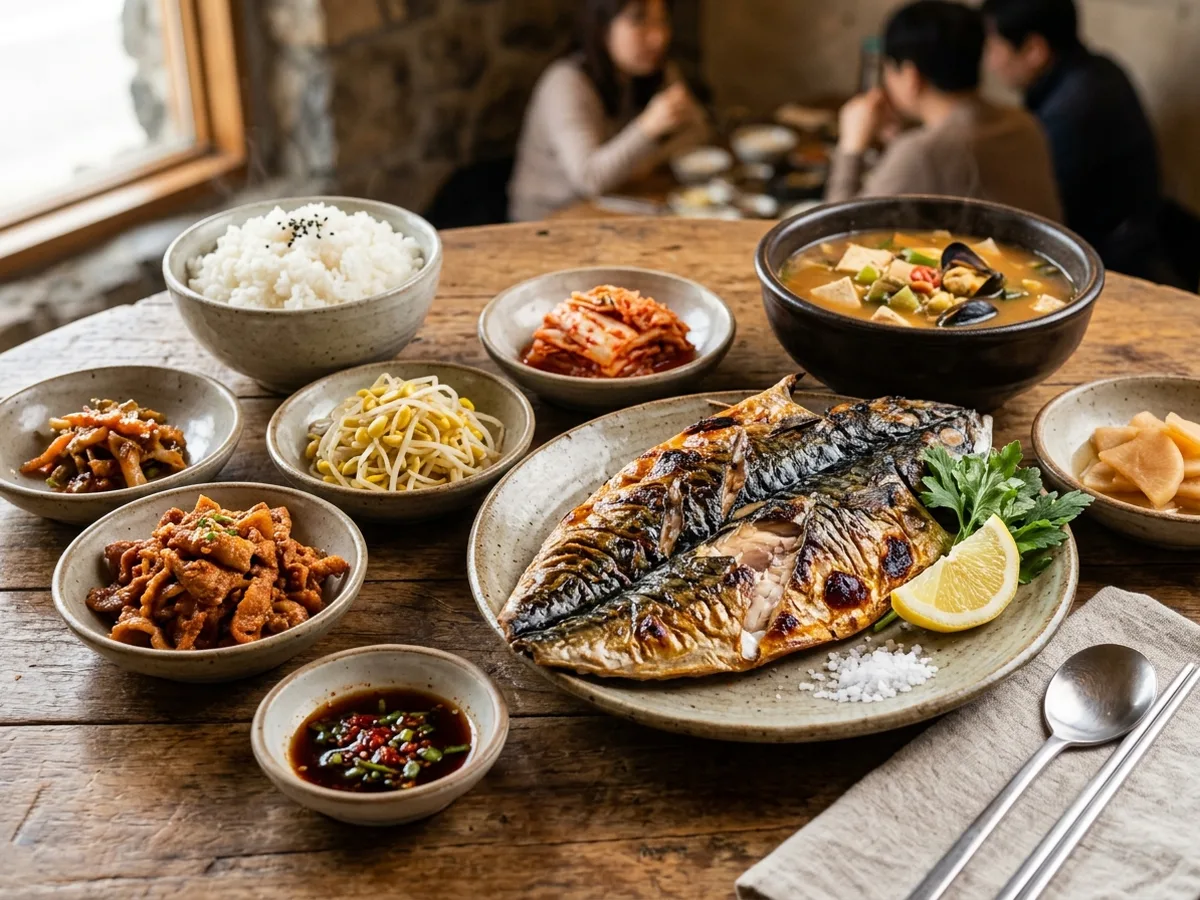 고등어구이 · Godeungeo GuiMilder alternative Grilled mackerel — the backbone of a Korean set meal.
 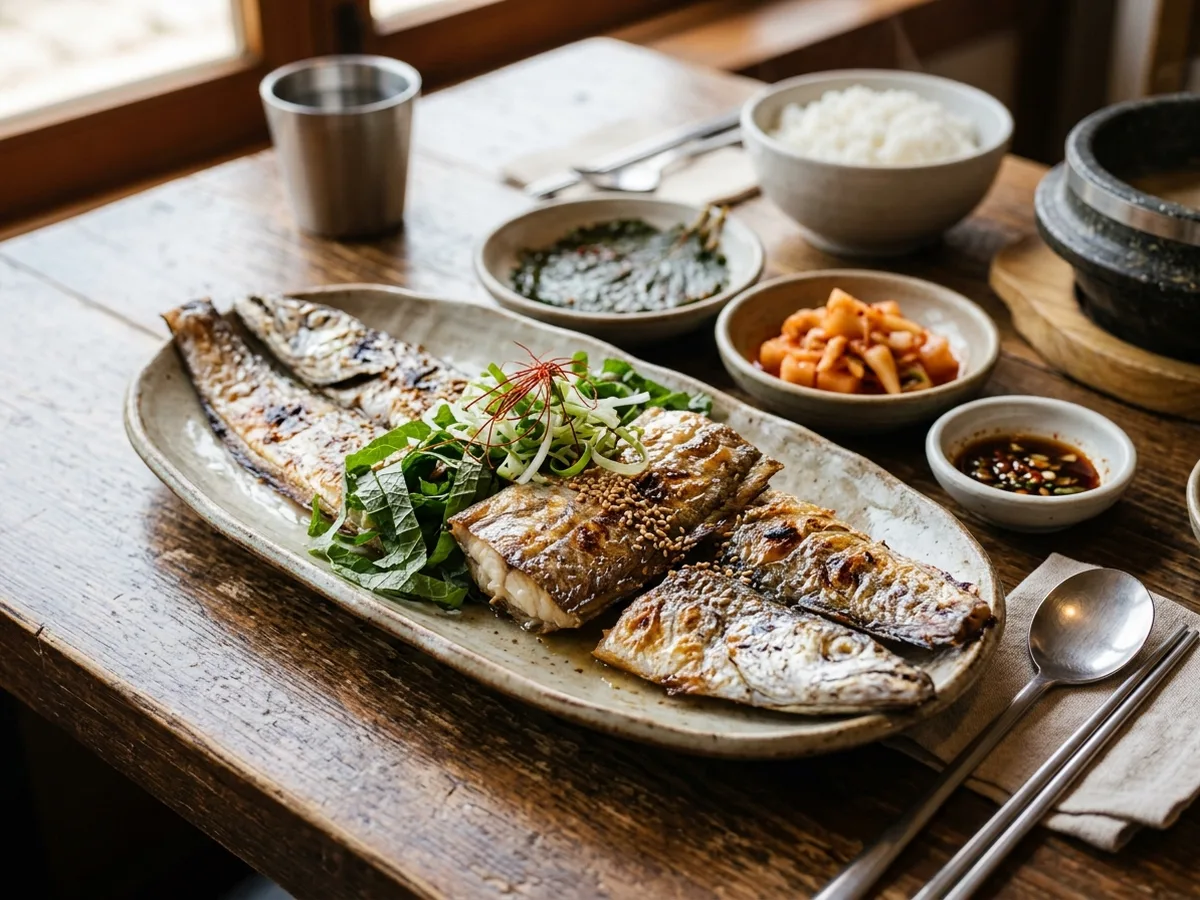 갈치구이 · Galchi GuiMilder alternative Grilled hairtail — silver-skinned, delicate, a Jeju favorite.