Tteokbokki (떡볶이)
Chewy rice cakes in sweet-spicy gochujang sauce.
- Korean name
- 떡볶이
- Spice level
- Spicy
- Flavor
- spicy · sweet · chewy
- Typically contains
- rice cake, fish cake
- Vegetarian / vegan
- Not vegetarian — meat or seafood is core to the dish
- Typical price
- ₩4,000–₩6,000 per portion checked 2026-07 — varies by area
- Good to know
- Beginner-friendly ●●●●○ Solo dining ●●●●● Kid-friendly ●●●○○
- Also written as
- topokki, ddeokbokki, dukbokki, ddukbokki
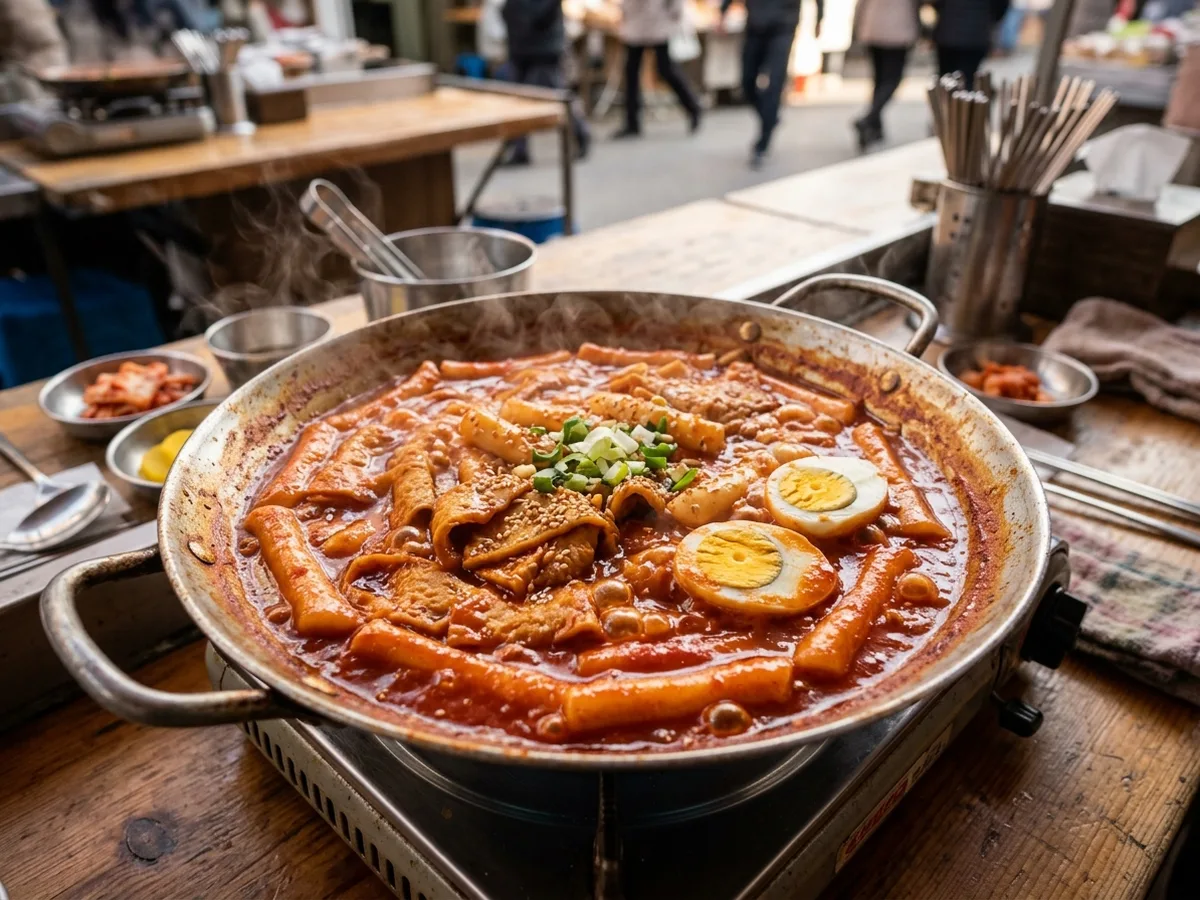
What is Tteokbokki?
Tteokbokki is chewy cylinders of rice cake simmered in a sweet-spicy gochujang sauce, usually alongside folded sheets of fish cake and a boiled egg. It's the anchor of bunsik — Korea's cheap, fast snack-food genre — and a first food memory for basically every Korean.
The texture is the surprise for newcomers: dense, bouncy, nothing like bread or pasta. The heat is real but sugar-cushioned, and the sauce is considered communal property — dipping everything else in it is standard practice.
How to eat it
- Spear rice cakes with the communal toothpick or fork at stalls; blow first, they hold heat.
- Dip everything nearby in the sauce — fries, gimbap, twigim(튀김) — the sauce is public property.
- Balance heat with the fish-cake broth or a cup of odeng soup.
Cooking it at home
- Simmer gochujang, gochugaru, sugar and syrup in anchovy stock.
- Add soaked rice cakes and fish cake; reduce until the sauce clings.
- Boiled egg and scallion to finish; cabbage for the snack-bar version.
Good to know
- Rice cakes are dense — burn risk on the inside long after the outside cools.
Gochujang tteokbokki is a 1950s invention (see Mabongnim in Sindang-dong); the royal-court original was soy-based (gungjung-tteokbokki).
Seen on Screen
Vincenzo (빈센조, 2021) — The Geumga Plaza snack-shop tteokbokki — a mob lawyer meets Korea's favorite street food.
✓ Verified — official source · Explore the scene →
Reply 1988 (응답하라 1988, 2015) — The era's school-gate bunsik culture — tteokbokki carts and shared snacks — is the show's background hum. (Theme connection.)
Theme connection — not a specific-scene claim
Where to eat it
Best known for this dishSince 1953 — the original
Where modern gochujang tteokbokki was born: Mabongnim halmeoni's 1953 original that started the entire Sindang-dong tteokbokki town, still serving bubbling jeukseok (cook-at-table) pans.
Known for: Tteokbokki
Open as of our last check (2026-07-17) · Sources: Namu Wiki (마복림) · DiningCode — hours, prices and status can change; check the map link before visiting.
Nutrition
| Calories | 144 kcal |
|---|---|
| Carbohydrate | 25.96 g |
| Protein | 3.51 g |
| Fat | 2.96 g |
| Sodium | 391 mg |
Per serving (~180g): ≈259 kcal · sodium ≈704 mg (35% of the WHO daily guideline, 2,000 mg)
Related foods
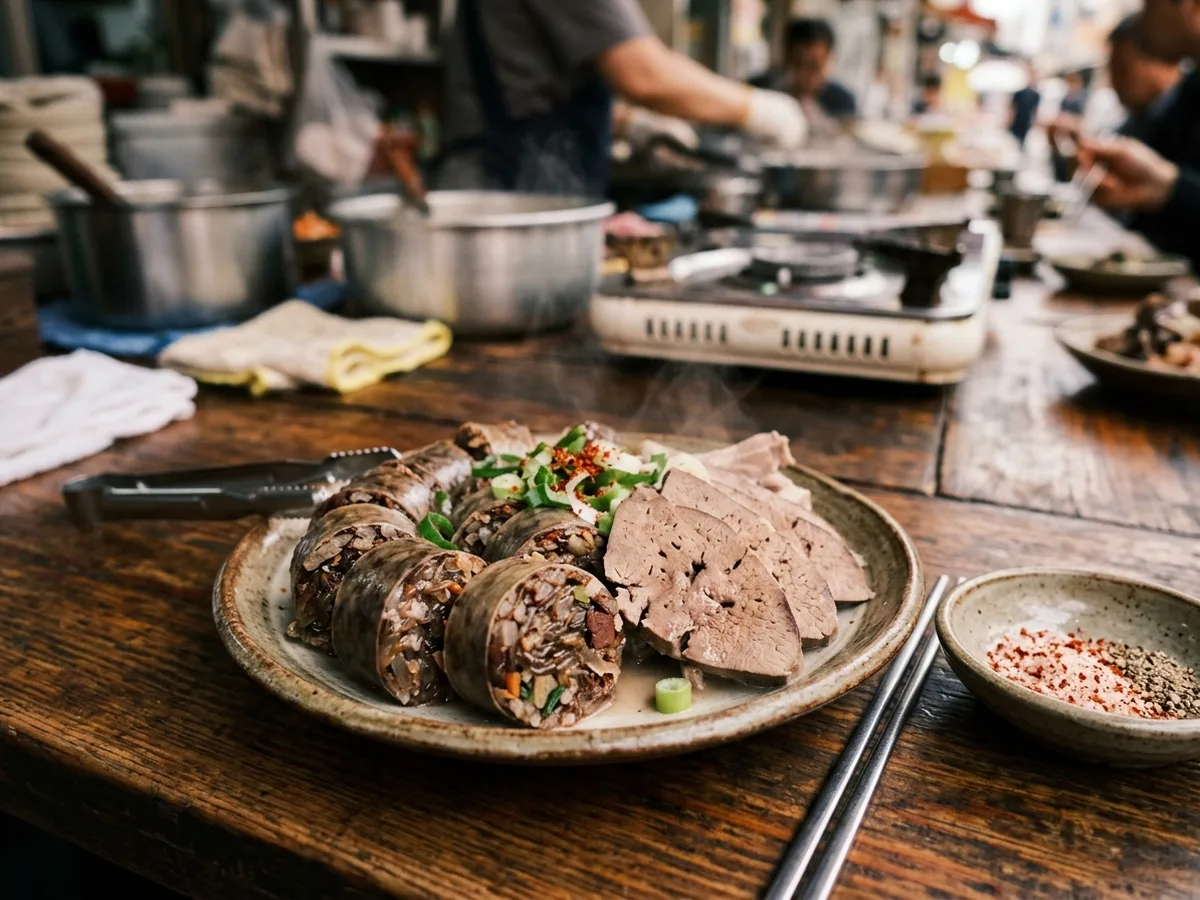 순대 · SundaeOften eaten together Korean blood sausage with glass noodles — dip it in seasoned salt.
 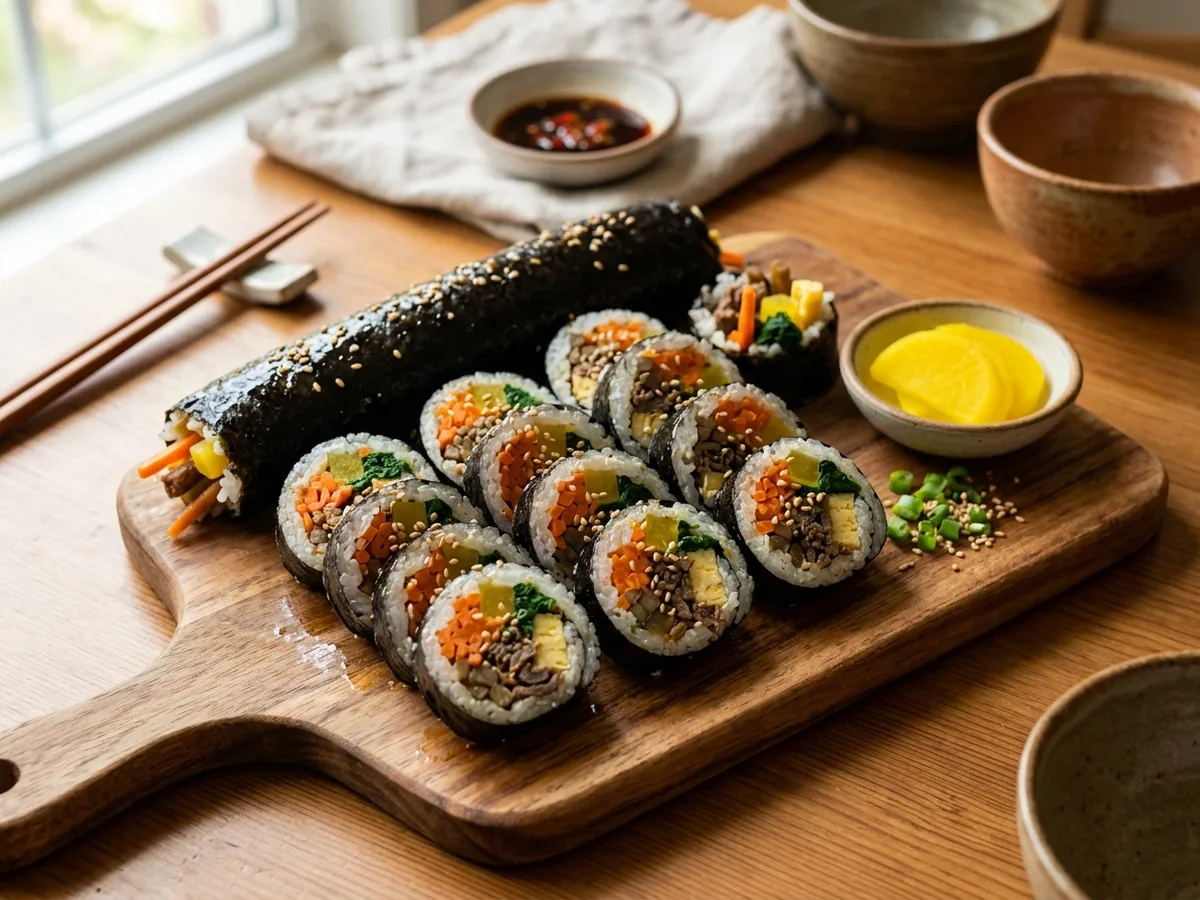 김밥 · GimbapOften eaten together Seaweed rice rolls — Korea's picnic and lunchbox default.
 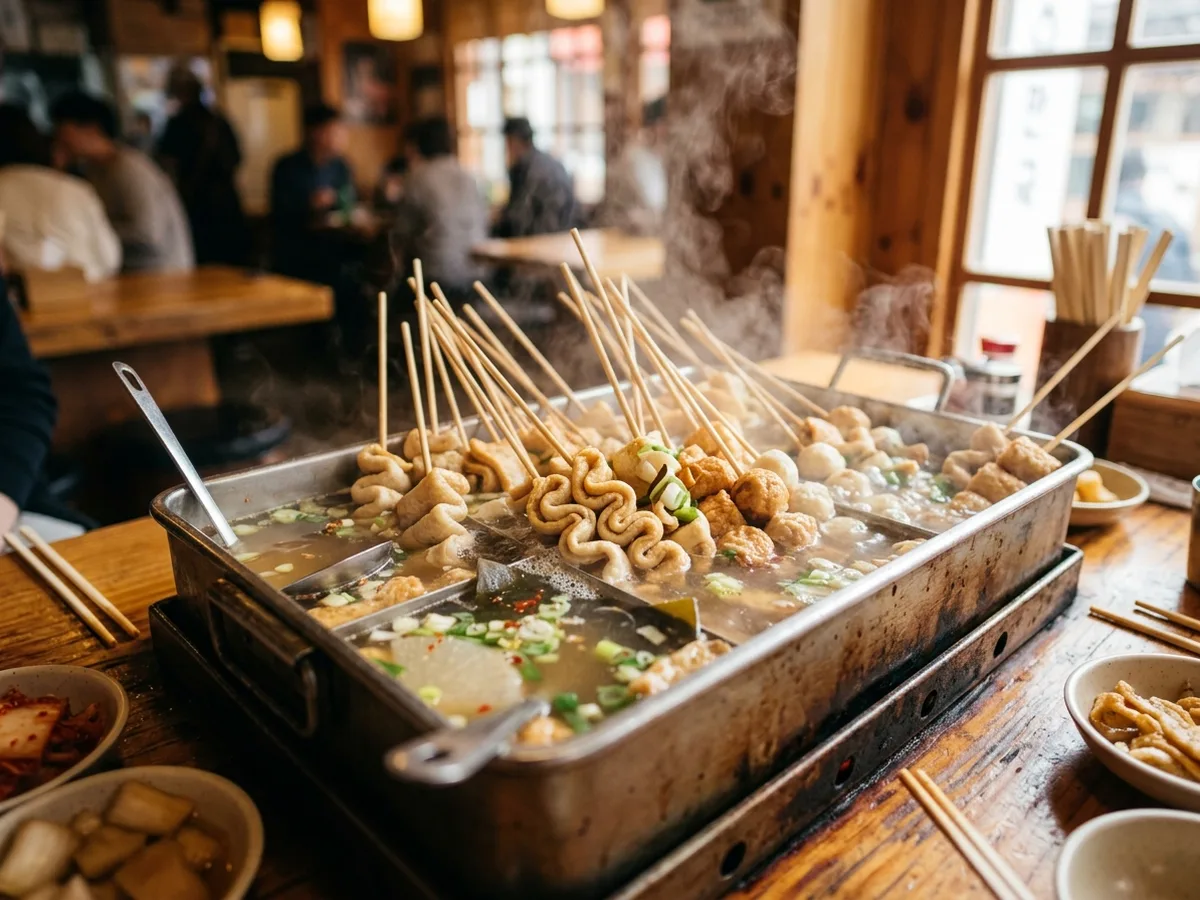 어묵탕 · Eomuk TangOften eaten together Fish-cake skewer soup — the street-stall winter warmer.
 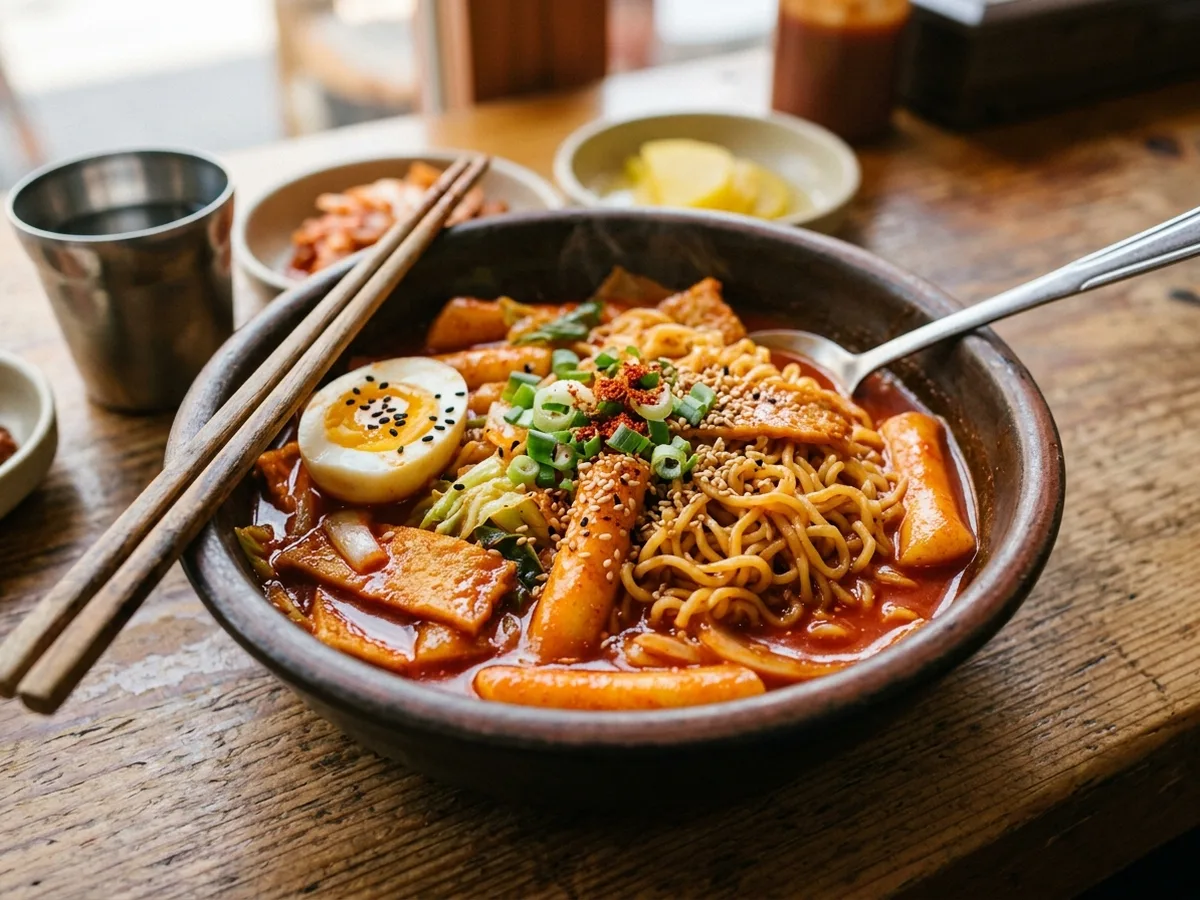 라볶이 · RabokkiOften eaten together Tteokbokki plus ramyeon noodles — the best of both.
 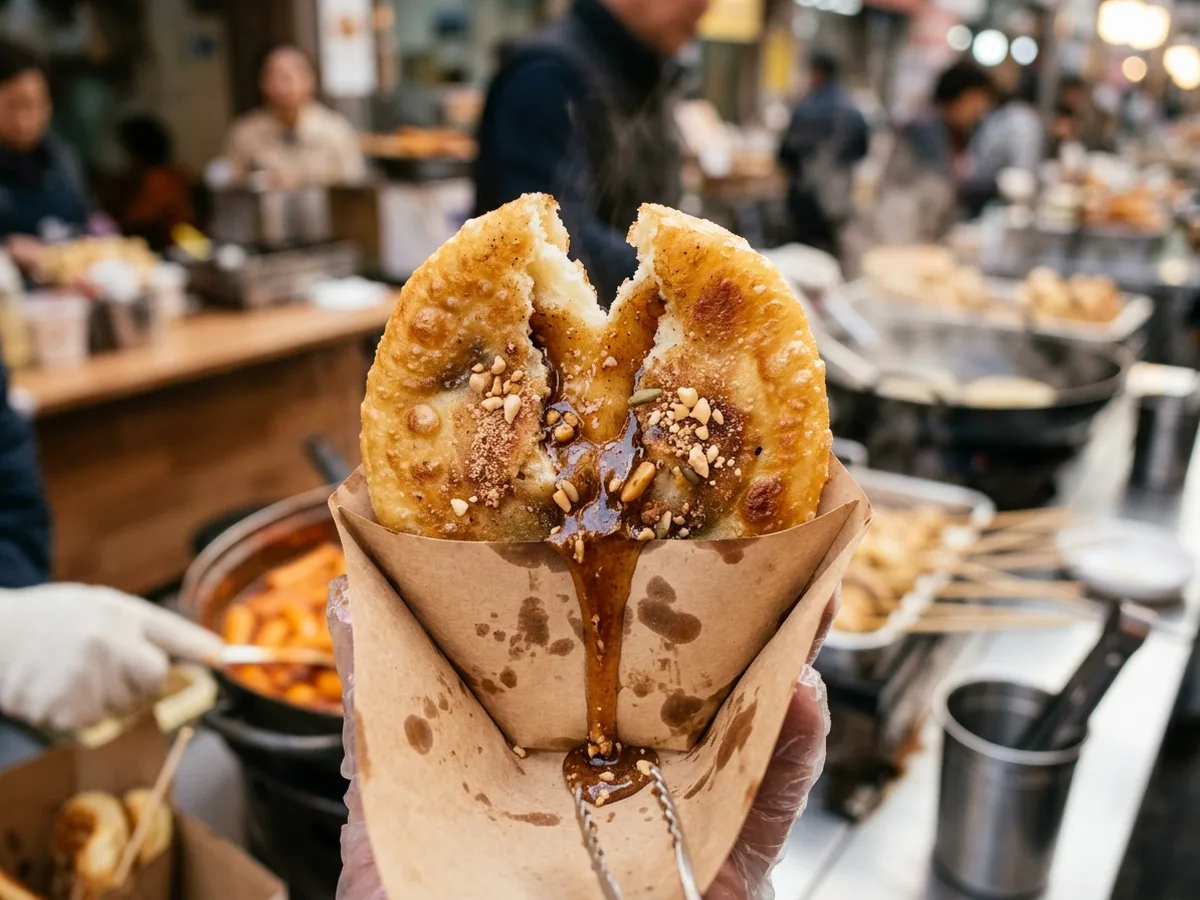 호떡 · HotteokMilder alternative Griddled pancake with molten brown-sugar filling — winter street gold.