Sundubu Jjigae (순두부찌개)
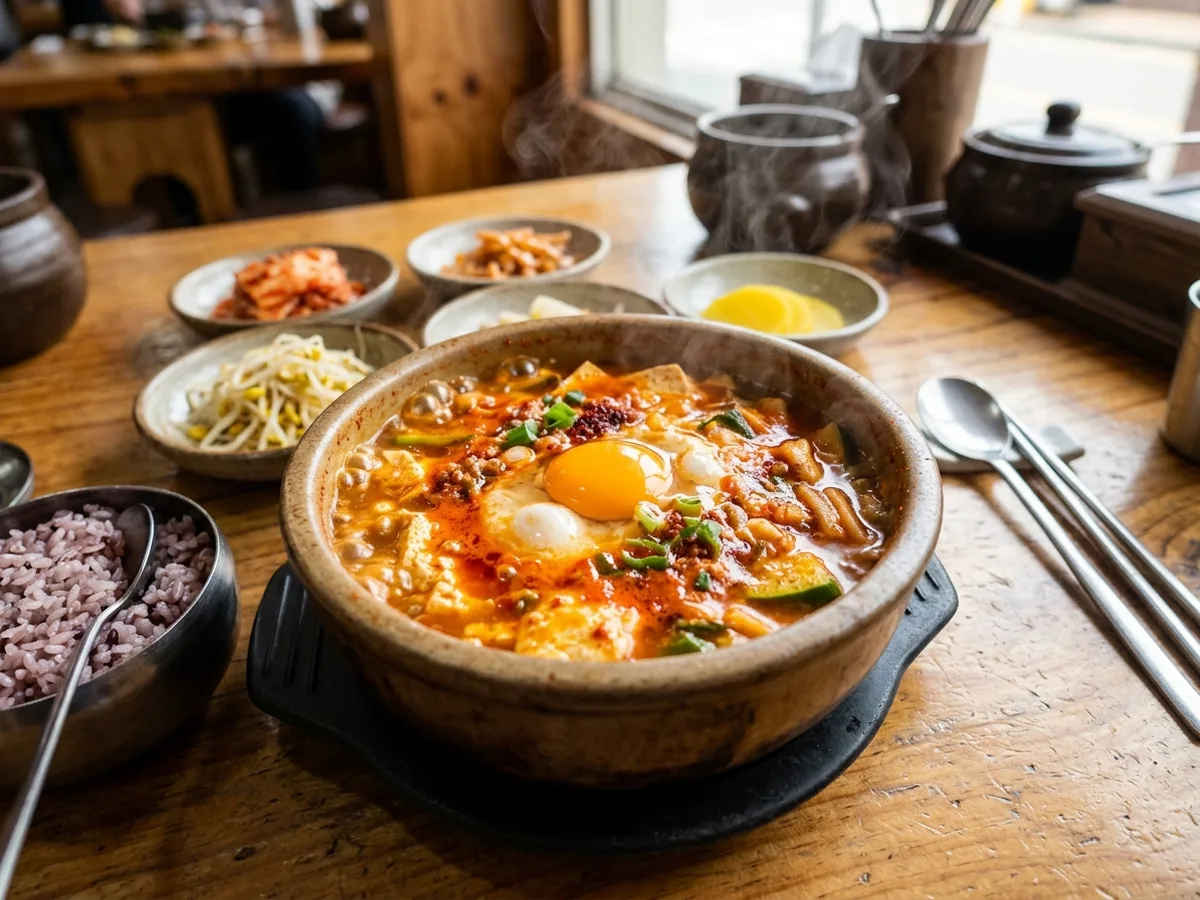
Bubbling soft-tofu stew, served with a raw egg to crack in.
- Korean name
- 순두부찌개
- Spice level
- Spicy
- Flavor
- spicy · savory
- Typically contains
- tofu
- Vegetarian / vegan
- Sometimes — vegetable-forward, but anchovy broth, fish sauce or meat garnish is common. Ask first
- Typical price
- ₩8,000–₩11,000 per person checked 2026-07 — varies by area
- Good to know
- Beginner-friendly ●●●●○ Solo dining ●●●●○ Kid-friendly ●●○○○
- Also written as
- soondubu, sundubu, soft tofu stew, soon tofu
What is Sundubu Jjigae?
Sundubu-jjigae (순두부찌개) is soft tofu stew — silken, uncurdled tofu in a fiery (or optionally mild) broth with seafood or pork, served violently bubbling in a stone pot with a raw egg cracked in at the table. The custard-soft tofu against the scalding red broth is the point. It is a lunchtime staple in Korea and one of the most successful Korean dishes abroad, with entire restaurant chains built on it.
How to eat it
- Crack the raw egg into the bubbling stew the moment it arrives — the residual heat cooks it.
- Scoop the silken tofu gently; it's meant to slide, not hold shape.
- Eat with rice; a purple-rice bowl (heukmi-bap) is the classic pairing at sundubu chains.
Cooking it at home
- Make a quick chili oil (gochugaru + oil + garlic), add kimchi or clams/pork, then stock.
- Slide in a tube of sundubu (extra-soft tofu) in big spoonfuls; simmer gently.
- Crack an egg in at the end, off the heat.
Good to know
- Silken tofu holds heat like lava — small first spoonfuls.
- Seafood versions commonly include shellfish — flag allergies when ordering.
Chodang village in Gangneung is the sundubu mecca, famous for seawater-coagulated tofu.
Seen on Screen
Itaewon Class (이태원 클라쓰, 2020) — The Danbam pub's soft tofu stew — the dish at the center of the show's rivalry.
✓ Verified — official source · Explore the scene →
Nutrition
| Calories | 35 kcal |
|---|---|
| Carbohydrate | 2.17 g |
| Protein | 2.98 g |
| Fat | 1.59 g |
| Sodium | 151 mg |
Per serving (~200g): ≈70 kcal · sodium ≈302 mg (15% of the WHO daily guideline, 2,000 mg)
Related foods
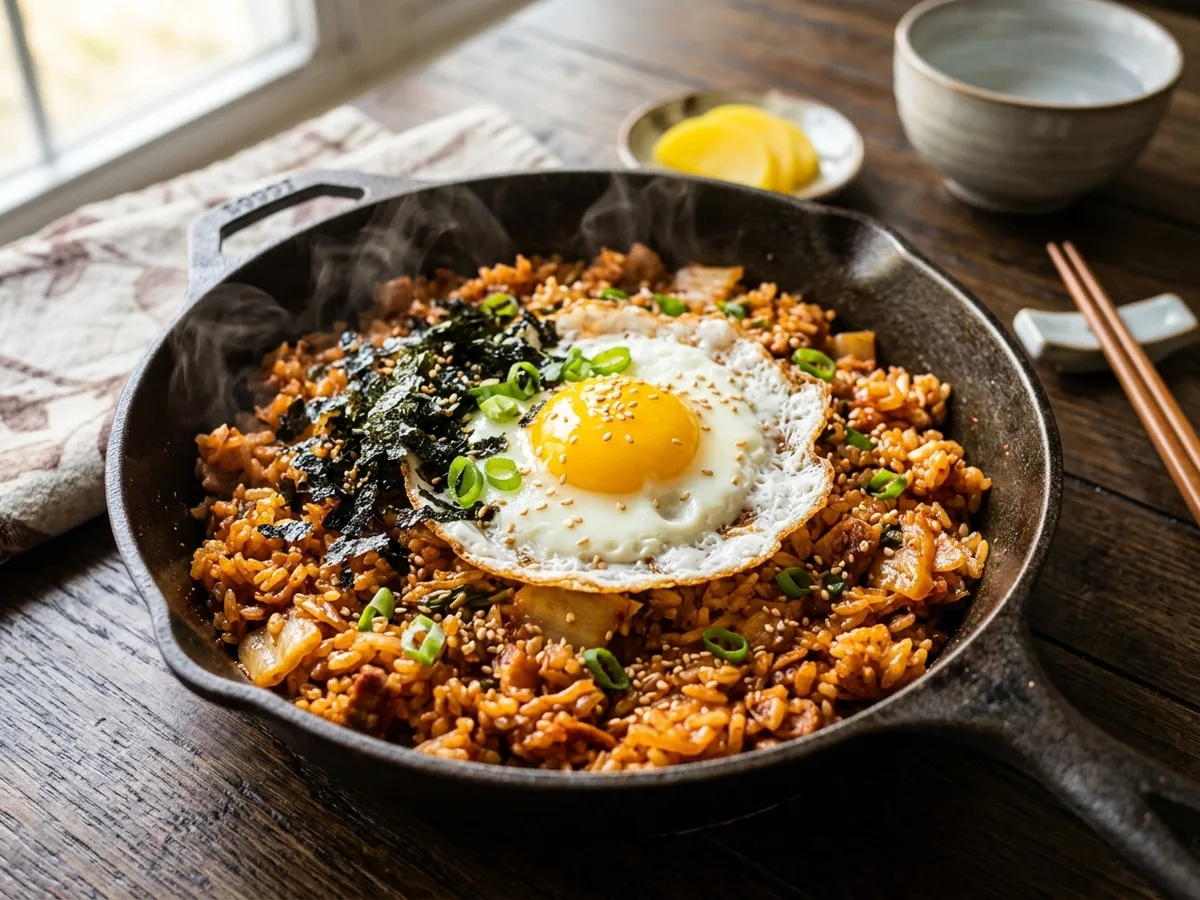 김치볶음밥 · Kimchi BokkeumbapOften eaten together Kimchi fried rice, best with a fried egg on top.
 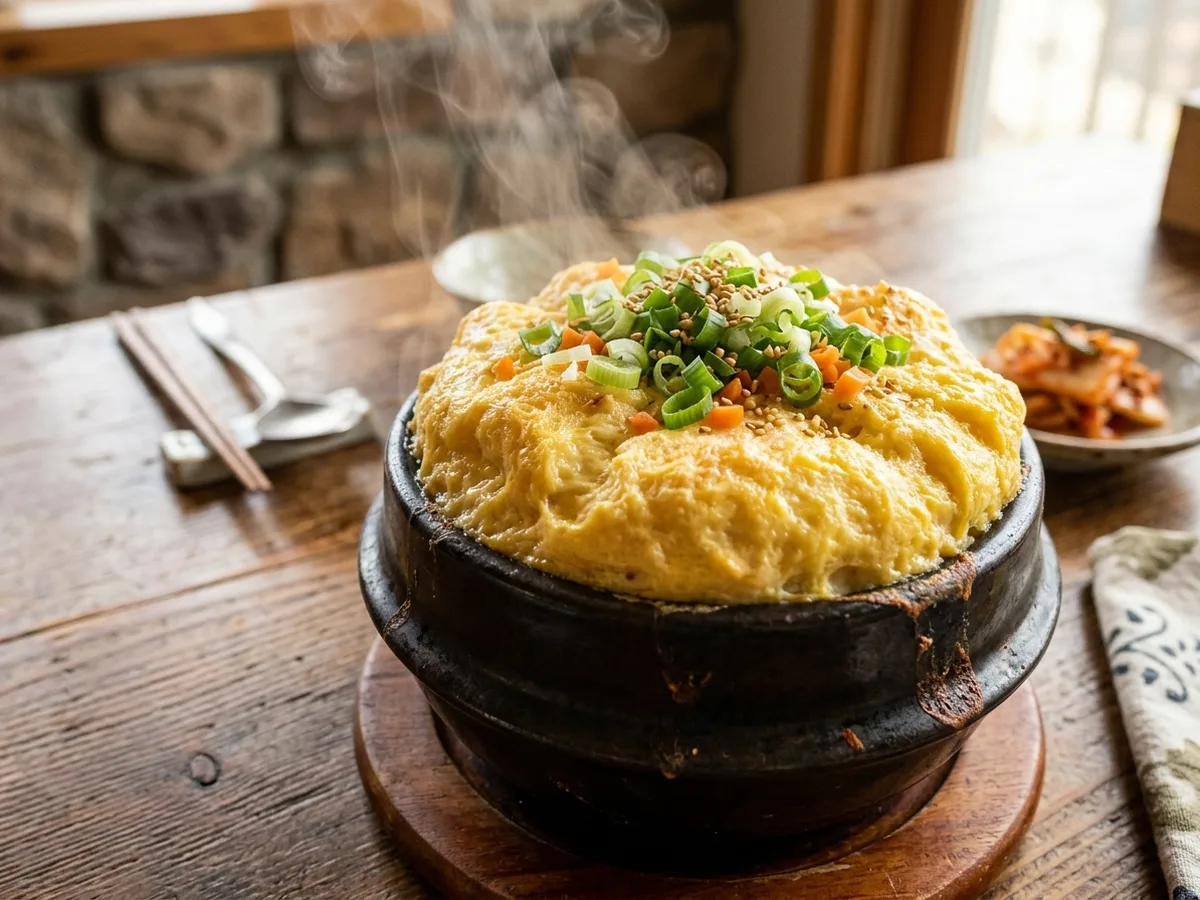 계란찜 · Gyeran JjimOften eaten together Fluffy steamed egg in a hot ttukbaegi — the BBQ-house side hero.
 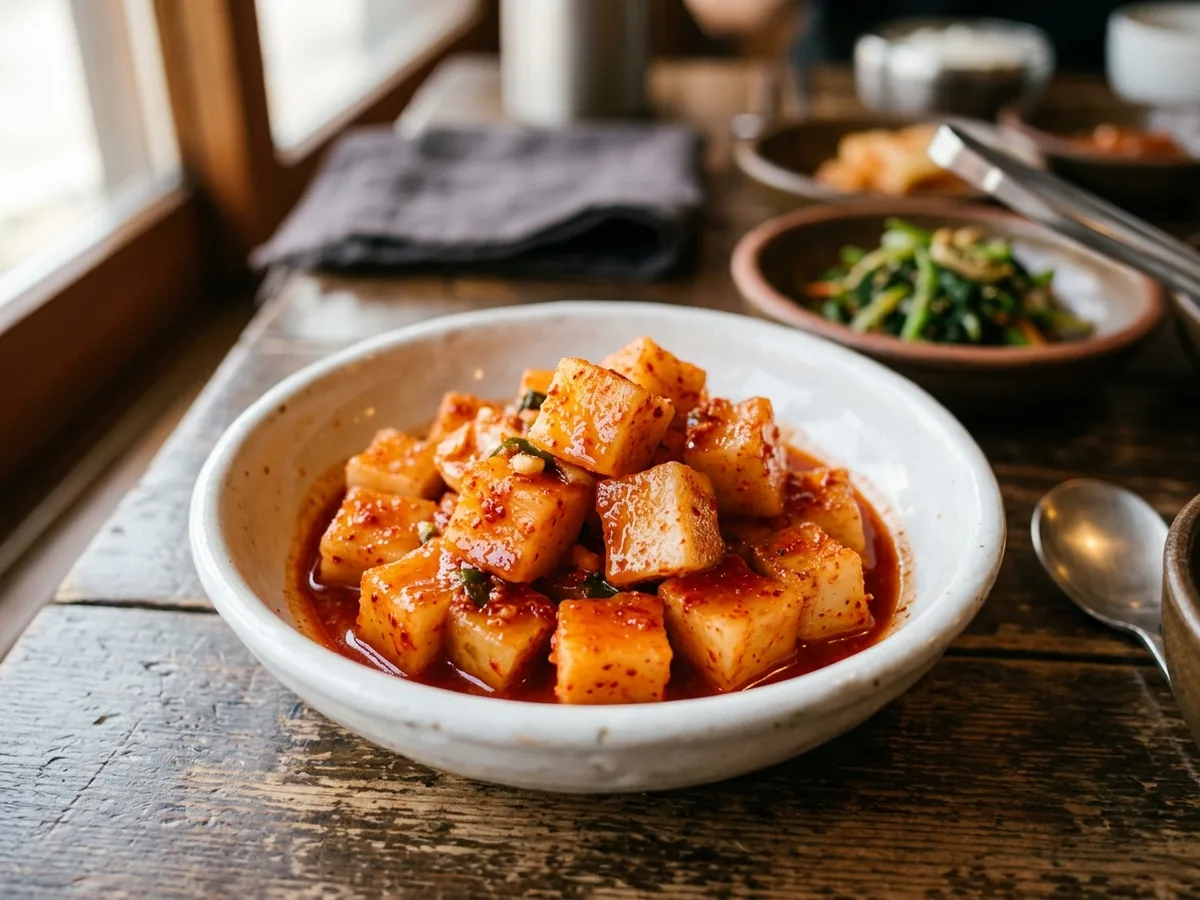 깍두기 · KkakdugiOften eaten together Cubed radish kimchi — crunchy, juicy, born for gukbap.
 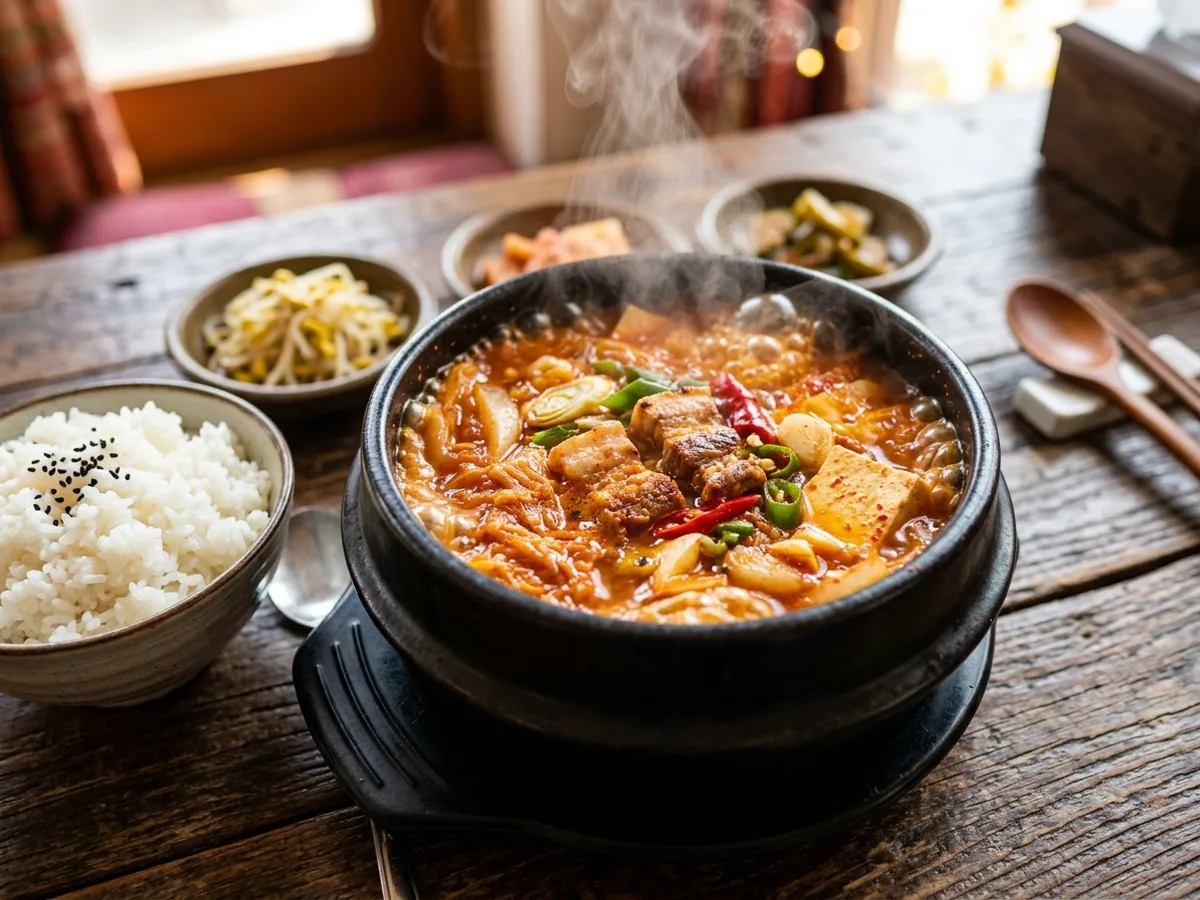 김치찌개 · Kimchi JjigaeSimilar flavor · spicy, savory Sour-aged kimchi stew, usually with pork — the national comfort food.
 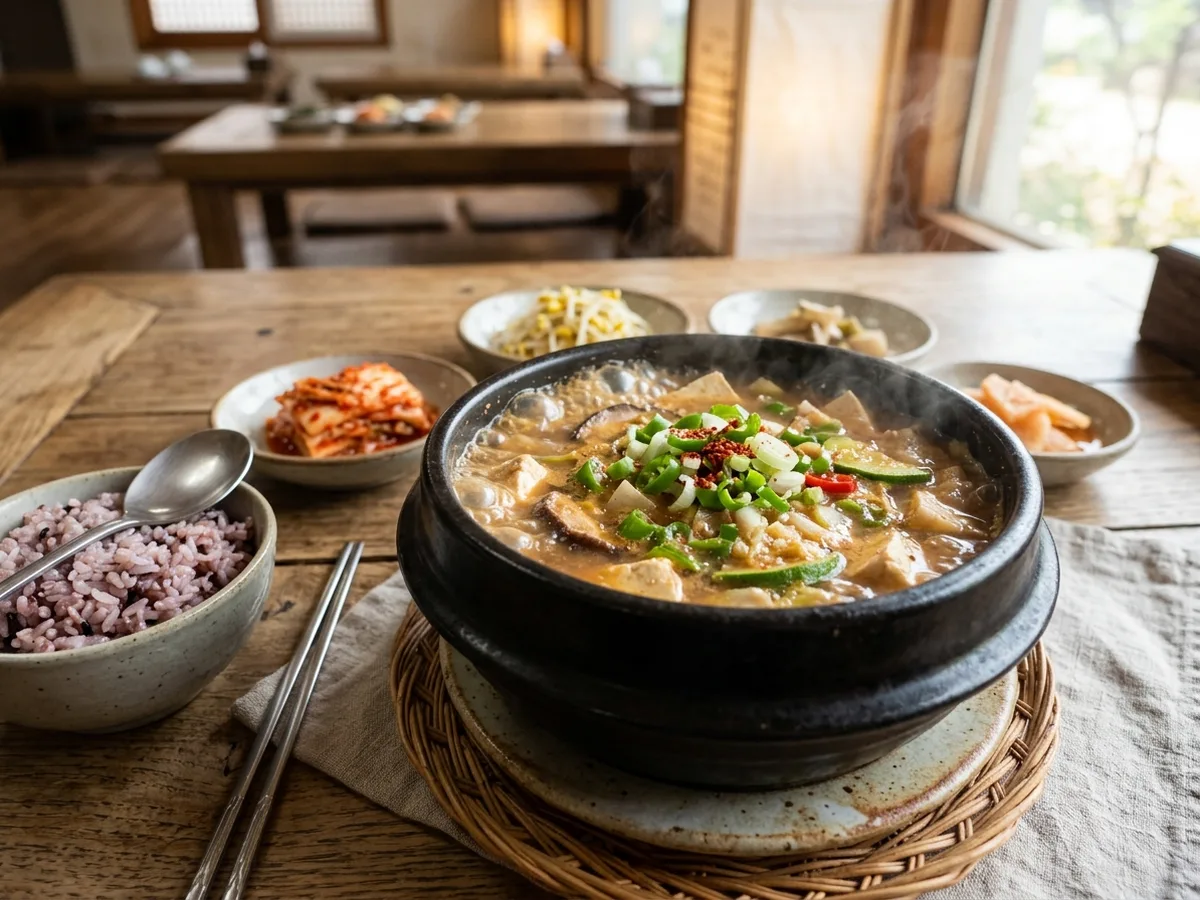 된장찌개 · Doenjang JjigaeMilder alternative Fermented soybean-paste stew with tofu and vegetables.